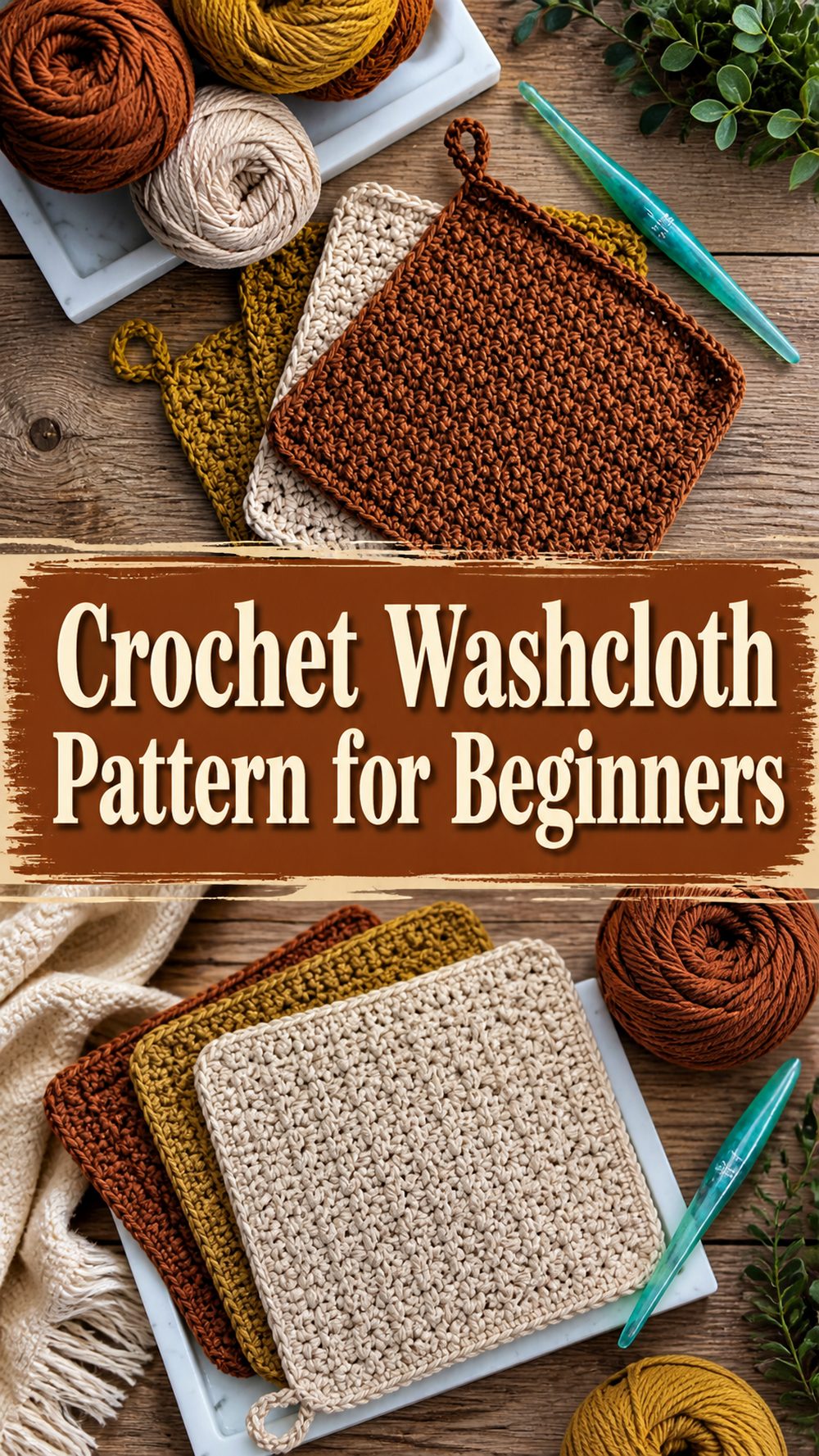
A crochet washcloth is one of those small projects that feels useful from the moment you finish it. It is simple, practical, and relaxing to make, which is exactly why so many crocheters love starting with something like this. A handmade washcloth gives you that nice balance between soft texture and gentle structure, so it works well for everyday washing, gift baskets, or just adding a handmade touch to your bathroom or kitchen. This particular tutorial teaches a beginner cotton washcloth in a clear step-by-step style, which makes it a lovely project for newer crocheters who want something calm and satisfying on the hook. It is the kind of project you can enjoy without overthinking every stitch, and by the end you have something neat, useful, and easy to make again in different colors. The selected video is presented as an easy beginner cotton washcloth tutorial and was uploaded about three months ago.
Why You’ll Love This Project
This washcloth is easy to settle into and enjoyable to repeat row after row. It is a nice choice when you want a practical project that helps you build confidence with basic stitches while still ending with something you can actually use. The tutorial is framed as a beginner cotton dishcloth pattern taught step by step, so it suits simple, everyday crocheting very well.
Materials Needed
- Cotton yarn
- Crochet hook
- Scissors
- Yarn needle
- Stitch marker if you like marking the first stitch
- Measuring tape if you want to check the size while working
If the exact yarn or hook size is unclear, use a yarn and hook size that matches your desired fit and texture.
Best Yarn for This Project
Cotton yarn is the best choice for a washcloth like this. It has that clean, practical feel that works beautifully for projects that are meant to be used often and washed regularly. Cotton also helps the stitch texture show nicely, which is especially helpful in a simple beginner project. For a washcloth, look for a yarn that feels smooth, absorbent, and sturdy rather than fluffy or overly stretchy. A medium cotton yarn is usually a very comfortable place to start because it creates a cloth that feels substantial without getting too stiff.
Skill Level
Beginner-friendly.
This tutorial is clearly aimed at beginners, so it is a very approachable project if you already know the basics or want to practice them in a useful way. Since it is described as a beginner cotton dishcloth pattern taught step by step, it works well for building confidence without needing complicated shaping or fancy stitch combinations.
Size and Fit Guide
A washcloth is easy to adjust because you can control both the width and the height as you work. Start by deciding how wide you want the cloth to be, then make your foundation chain to suit that width. After that, keep adding rows until the piece looks square or reaches the size you personally like. If you want a smaller washcloth for quick use, stop earlier. If you prefer a fuller cloth for bathing or daily face washing, keep going a little longer. The best guide is simply to lay it flat and check the shape as you go.
Stitches Used
- Slip knot
- Chain
- Single crochet or another basic beginner stitch pattern depending on the tutorial flow
- Turning chain
- Weaving in ends
The tutorial is presented as a beginner-friendly cotton washcloth taught step by step, so the construction stays focused on simple foundational crochet rather than advanced stitch work.
How to Make It
Step 1: Start the Foundation
Begin with a slip knot and make your starting chain. This first chain sets the width of the washcloth, so think about how large you want the finished cloth to feel in your hand. A washcloth should be comfortable to hold and easy to fold, so aim for a practical size rather than something too tiny or too oversized.
Try not to make the foundation chain too tight. A tight chain can pull the bottom edge inward and make the cloth look uneven before you even get very far. If your chains tend to run tight, loosen your hands a little or use a hook slightly larger just for the foundation.
Step 2: Work the First Row
Once your chain is ready, begin working into it across the row. This first row is usually the part that asks for the most patience, especially if you are still learning how to spot where each stitch goes. Go slowly and focus on clean placement rather than speed.
The nice thing about a washcloth project is that it gives you plenty of room to practice. You do not need decorative shaping here. You are simply building a useful square with an even texture. That makes it a great learning project because every row helps your stitches look more confident and consistent.
Step 3: Build the Main Body
After the first row, turn your work and continue row by row in the same stitch pattern. This is where the project starts feeling calm and rhythmic. You repeat the same basic motion, watch the fabric grow, and settle into a very relaxed crochet pace.
As you work, keep an eye on your edge stitches. A washcloth can start getting narrower if you accidentally skip the first or last stitch in a row. It can also grow wider if you add an extra stitch by mistake. If your edges are drifting, it helps to count stitches every few rows or mark the first stitch with a stitch marker.
Step 4: Let the Texture Develop
Simple washcloths often look best because of their clean texture. Even when the stitch pattern is basic, cotton yarn gives the fabric a tidy and useful finish. As the rows add up, you will start to see the cloth take shape and develop that nice handmade surface that feels good in the hand.
This is also the point where you can decide whether you want the cloth softer or firmer. If your stitches are a little looser, the washcloth will feel more flexible and drapey. If your tension is tighter, it will feel denser and slightly more structured. Neither is wrong. It just depends on how you want the finished cloth to feel.
Step 5: Adjust the Size
Keep crocheting until the height matches the width, or until you reach the size you want. Since exact stitch and row counts are not always the most important part in a project like this, it is completely fine to use your eyes and your hands as your guide.
Lay the washcloth flat every now and then. If it looks balanced and feels like a useful size, you are on the right track. This flexible approach is especially helpful because yarn, hook choice, and personal tension can all change the final measurements a little.
Step 6: Finish the Final Row
Once the cloth is as large as you want, complete the last row and fasten off. Cut the yarn, pull the tail through, and snug it down gently so the work is secure. At this stage, the washcloth should already look neat and finished in a simple, practical way.
A beginner washcloth does not need complicated edging to be attractive. In fact, the plain, clean shape is part of what makes it so appealing. It has that classic handmade look that works beautifully in a bathroom basket or beside the sink.
Step 7: Weave in the Ends
Thread your yarn tail onto a yarn needle and weave the ends in carefully. This part matters more than people sometimes expect, because washcloths get handled, used, and washed often. Secure ends help the project last longer and keep it looking tidy over time.
When finished, your washcloth should feel soft but useful, simple but handmade, and sturdy enough for everyday use. The selected video is explicitly positioned as a beginner cotton washcloth or dishcloth pattern taught step by step, which fits this straightforward construction style well.
Helpful Tips
- Use cotton yarn for a more practical everyday washcloth.
- Keep your starting chain relaxed so the bottom edge does not pull tight.
- Check your edges often so the shape stays straight.
- Count stitches now and then if the sides start drifting.
- Choose a soft cotton if you want a gentler face or bath cloth feel.
- Make a few in matching colors for a simple handmade set.
Common Mistakes to Avoid
- Making the foundation chain too tight
- Missing the last stitch of the row
- Adding extra stitches at the turning edge
- Using yarn that feels too fuzzy or unsuitable for regular washing
- Stopping before the cloth reaches a practical size
- Weaving in the ends too loosely
Customization Ideas
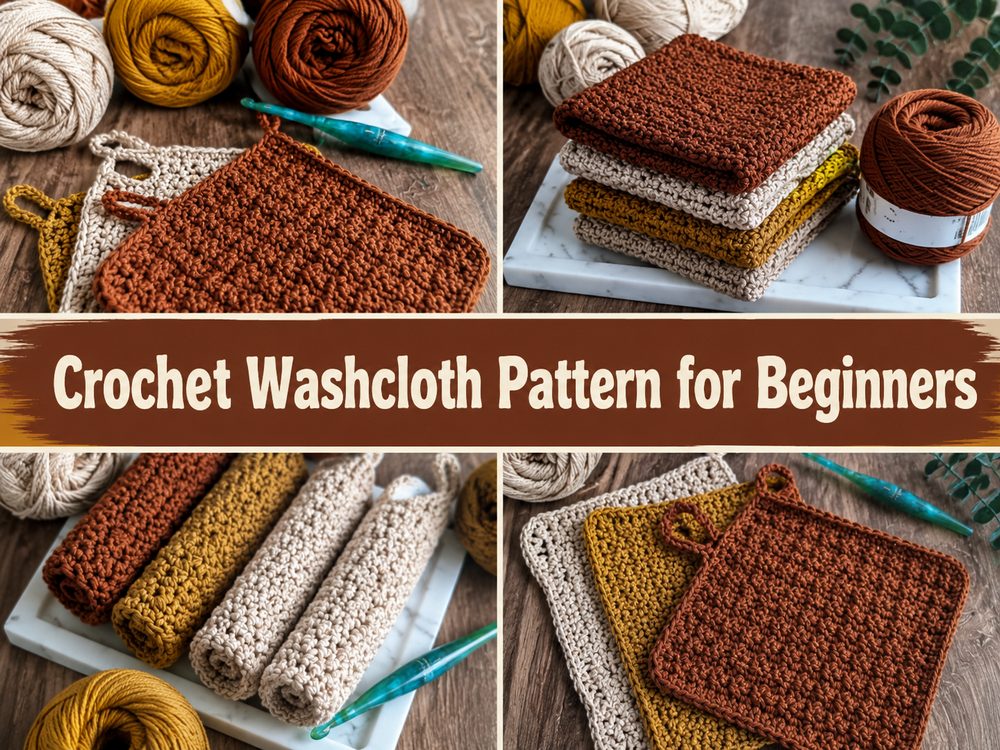
You can keep this washcloth simple in one solid color, or make a small set in soft spa shades, neutrals, or cheerful bright tones. A striped version can be really pretty, especially if you want to use up small cotton yarn leftovers. You can also make it slightly larger for bath use or slightly smaller for facial care. If you enjoy gift-making, tie two or three together with ribbon and tuck in a bar of soap for a lovely handmade present.
Style Ideas
These washcloths look beautiful folded in a bathroom basket, stacked beside the tub, or paired with handmade soap for gifting. They also work well in a guest bathroom when you want something small and thoughtful that adds a cozy handmade touch. A matching set in soft colors can feel especially clean and calming.
Care Instructions
Wash gently according to your yarn label and let the cloth dry flat if you want it to keep a neat shape. Cotton is usually a practical choice for projects like this because it handles regular use well. Avoid very high heat unless your yarn specifically allows it. After washing, smooth the cloth lightly with your hands so it dries nicely.
Time Needed
This may take a few hours depending on your speed, yarn, size, and stitch pattern. It is a nice project for a quiet afternoon or a couple of short crochet sessions.
Conclusion
A crochet washcloth is a lovely little project when you want something useful, relaxing, and beginner-friendly. It gives you space to practice your stitches without pressure, and it leaves you with something you can actually use every day. That is part of what makes it so satisfying. You can keep it simple, change the size, play with color, or make a whole set once you get into the rhythm. It is an easy project with a warm handmade feel, and it is a wonderful reminder that small crochet pieces can still be really worthwhile.
FAQs
Is this washcloth beginner-friendly?
Yes. The selected tutorial is described as an easy beginner cotton washcloth or dishcloth pattern taught step by step.
What yarn is best for a crochet washcloth?
Cotton yarn is the best choice for most washcloth projects because it feels practical, absorbent, and easy to use often.
Can I adjust the size?
Yes. Change the starting chain for the width, then add or reduce rows until you like the finished size.
Is this a good project for practicing stitches?
Yes. A washcloth is one of the best beginner projects because the shape is simple and the repeated rows help you build consistency.
Can I make a set as a gift?
Absolutely. Handmade washcloths look lovely in small gift bundles with soap, towels, or bath items.