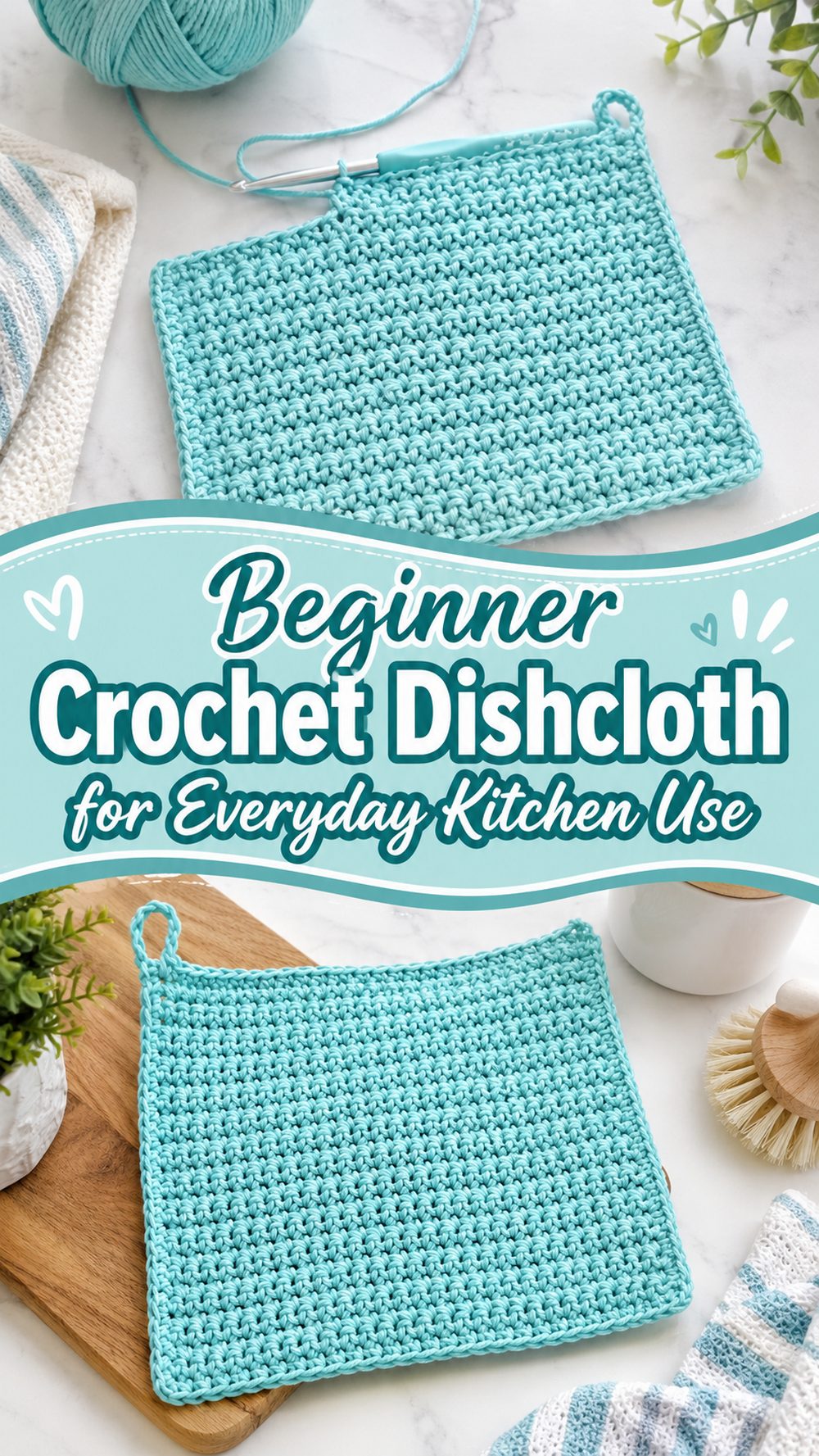
A crochet dishcloth is one of those small projects that feels instantly useful. It is quick enough to stay fun, simple enough for newer crocheters, and practical enough to become something you actually reach for in the kitchen. This style is especially nice because it focuses on beginner-friendly stitching and creates a cloth with a clean, handmade texture that works well for washing dishes, wiping counters, or adding a cozy touch near the sink. It is also a lovely project when you want to practice steady tension without committing to a big pattern. A dishcloth like this makes a sweet handmade gift too, especially when you pair it with a bar of soap or tuck it into a kitchen set. If you want an easy crochet project that is relaxing, useful, and satisfying to finish, this is a wonderful one to make. The selected tutorial presents it as an easy beginner dishcloth built to help you practice single crochet.
Why You’ll Love This Project
This project is easy to settle into and very satisfying to finish. It gives you a practical dishcloth while also helping you build confidence with basic crochet skills. Since the selected tutorial is designed as an easy, beginner-friendly lesson, it is a great choice when you want something simple, useful, and relaxing to make.
Materials Needed
- 100% cotton yarn
- Crochet hook
- Scissors
- Yarn needle
- Stitch marker if you like using one for the first stitch
- Measuring tape if you want to check the size as you go
If the exact yarn or hook size is unclear, use a yarn and hook size that matches your desired fit and texture.
Best Yarn for This Project
For a dishcloth, cotton yarn is the best choice. It is absorbent, sturdy, and much better suited to kitchen use than yarns that feel overly stretchy or fuzzy. A smooth cotton yarn helps the stitches show clearly and gives the finished cloth a nice clean texture. Since dishcloths are meant to be washed and used often, a dependable cotton yarn is usually the most practical option. One of the search results for this tutorial style specifically notes using 100% cotton yarn for a crochet dishcloth.
Skill Level
Beginner-friendly.
This project is a great fit for someone who is still getting comfortable with the basics. The chosen tutorial is specifically described as easy for beginners and a good way to learn single crochet, so it works well as a practice project that still gives you a useful finished item.
Size and Fit Guide
A dishcloth does not need body sizing, but you can still adjust it to suit how you want to use it. If you like a smaller cloth for quick cleanup, stop when the square feels compact and easy to hold. If you want more coverage for washing dishes or wiping countertops, keep going until it feels roomy enough in your hand. The easiest way to size it is to compare it with a dishcloth you already like and continue adding rows until it looks right.
Stitches Used
- Slip knot
- Chain
- Single crochet
- Turning chain
- Weaving in ends
The selected tutorial is presented as a beginner dishcloth meant to teach single crochet, so that is the main stitch to focus on here.
How to Make It
Step 1: Start the Foundation Chain
Begin with a slip knot and make a starting chain. This chain will decide the width of your dishcloth, so think about how large you want the finished square to be. Try to keep your chain relaxed and even. If your starting chain is too tight, the bottom edge can pull inward and make the cloth look narrower at one end.
A dishcloth usually looks nicest when it is square or close to square, so choose a width that feels practical for everyday use. You do not need to overthink the exact number if the tutorial is not giving a strict measurement. Just aim for a size that feels comfortable in your hand and easy to use at the sink.
Step 2: Work the First Row
Once your foundation chain is ready, begin working single crochet across the row. This stitch is a great choice for dishcloths because it creates a simple, dense fabric that feels sturdy without being too stiff. It also gives beginners a chance to practice finding stitches and keeping the edges straight.
As you make the first row, go slowly. The first row is often the trickiest part because the chain can be harder to read than regular stitches. If needed, use your fingers to help spot where the hook should go. Once the first row is done, the project usually becomes much easier and more relaxing.
Step 3: Turn and Keep Building the Cloth
After the first row, make your turning chain and continue with single crochet row after row. This is the calm, repetitive part that makes dishcloths so enjoyable. You just build the fabric slowly, keeping your edges tidy and your stitch tension steady.
If you are a newer crocheter, this is the perfect place to practice consistency. Try to make each stitch about the same size. If the cloth starts getting narrower, you may be missing the first or last stitch in the row. If it begins to ripple, your tension may be too loose or you may be adding extra stitches by accident. A quick stitch count now and then can help if your edges are wandering.
Step 4: Continue Until It Looks Square
Keep working rows of single crochet until the height of the piece matches the width or reaches the shape you want. Since exact row numbers are not clearly available, the easiest method is simply to check the shape as you go. Lay the cloth flat every few rows and see whether it looks balanced.
This flexible way of working is actually very helpful. It lets you adjust based on your yarn, your hook, and your own tension. One person may need a few more rows, while another may need fewer. The goal is not chasing a perfect number. The goal is making a useful cloth that looks neat and feels comfortable to use.
Step 5: Check the Texture
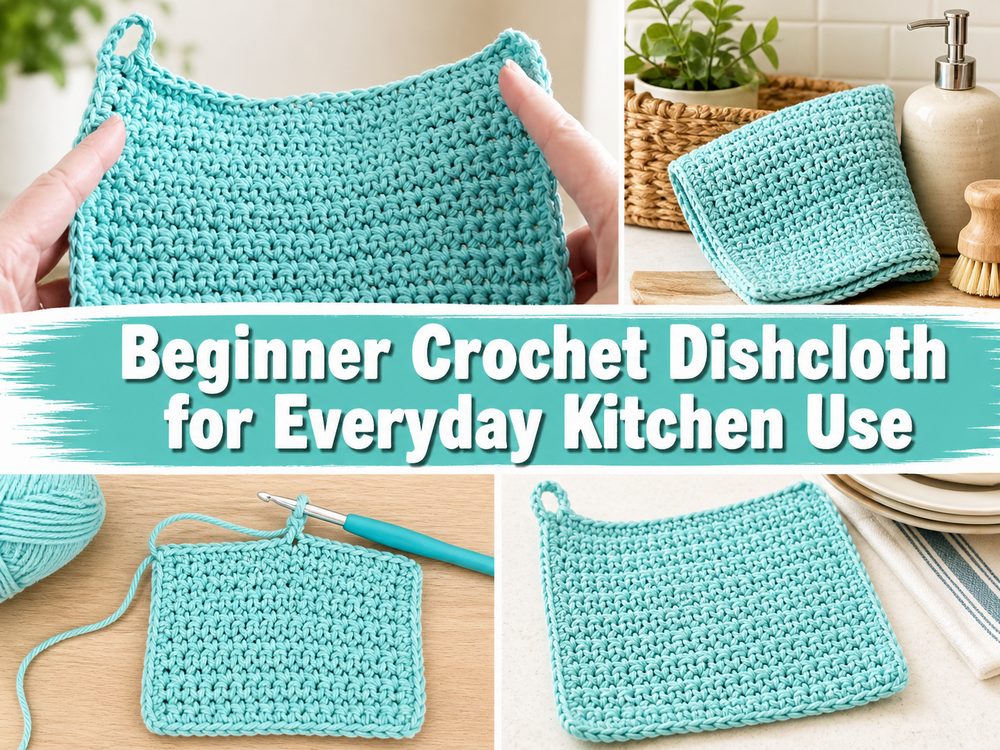
As the dishcloth grows, feel the fabric in your hands. A good dishcloth should feel soft enough to handle comfortably but sturdy enough to hold its shape. Single crochet naturally gives you that nice everyday texture. It is not too open, which is helpful for kitchen use, and it has a simple handmade look that suits cotton yarn beautifully.
If you want a firmer cloth, keep your stitches slightly snug. If you prefer something softer and more flexible, relax your hands a little while still keeping the tension even. The best result is usually somewhere in the middle, where the fabric feels solid but not stiff.
Step 6: Finish the Last Row
When your dishcloth is the size you want, complete the final row and fasten off. Cut the yarn, pull the tail through, and gently tighten it to secure the edge. At this stage, the cloth should already look clean and practical, even without fancy details.
A very simple dishcloth does not need a complicated border to look finished. If the edges are neat and the square lies flat, that clean basic look is more than enough. Beginner projects often look best when they stay simple and useful.
Step 7: Weave in the Ends
Use a yarn needle to weave in your ends carefully. Since dishcloths are washed and used often, this step matters. Take your time and make sure the yarn tails are tucked in securely so they do not wiggle out later.
After that, your dishcloth is ready to use. It should look like a tidy handmade square with a simple stitch texture, a soft but durable feel, and a practical finish that works well in the kitchen. The selected tutorial is framed as an easy step-by-step dishcloth lesson, so the whole project is built around straightforward construction rather than decorative complexity.
Helpful Tips
- Use cotton yarn so the cloth is absorbent and kitchen-friendly.
- Keep your first chain relaxed so the bottom edge does not tighten up.
- Check your edge stitches often so the shape stays even.
- If your rows feel hard to count, place a stitch marker in the first or last stitch.
- Lay the cloth flat now and then to see whether it is becoming square.
- Weave in the ends securely because dishcloths get washed often.
Common Mistakes to Avoid
- Making the starting chain too tight
- Missing the first or last stitch of a row
- Adding extra stitches by accident and turning the cloth wider
- Using yarn that is not practical for kitchen use
- Stopping too early before the cloth feels useful in size
- Leaving ends loose instead of weaving them in properly
Customization Ideas
You can make this dishcloth in a fresh kitchen white, soft pastel shades, farmhouse neutrals, bright citrus colors, or rich earthy tones. A solid color gives it a classic clean look, while stripes can make it feel cheerful and fun. You can also make a set in matching shades for gifts or add a simple border if you want a slightly more finished frame around the edges. Even with the same basic stitch, changing the yarn color can completely change the mood of the project.
Style Ideas
A crochet dishcloth looks lovely folded near the sink, tucked into a gift basket, or paired with a handmade soap bar. You can make a little kitchen set with two or three matching cloths in different colors. They also work nicely as thoughtful housewarming gifts, holiday extras, or simple handmade additions to everyday home decor.
Care Instructions
Wash your dishcloth gently according to your yarn label, and let it dry flat if you want it to keep a neat shape. Since cotton is commonly used for dishcloths, regular washing is usually part of normal use. Avoid harsh heat if your yarn suggests gentler care. After washing, smooth it back into shape with your hands if needed.
Time Needed
This may take a few hours depending on your speed, yarn, size, and stitch pattern. It is a calm, manageable project that works nicely in one relaxed sitting or over a couple of short crochet sessions.
Conclusion
A simple crochet dishcloth is one of the best little projects to make when you want something practical, beginner-friendly, and genuinely enjoyable. It lets you settle into an easy rhythm, practice your stitches, and finish with something you can actually use every day. You can keep it plain and classic, play with color, or make a whole stack for gifts and your own kitchen. It is a lovely reminder that small handmade projects can still be useful, beautiful, and worth every stitch.
FAQs
Is this dishcloth beginner-friendly?
Yes. It is a great starter project because it focuses on basic stitches and simple shaping.
What yarn works best for a crochet dishcloth?
Cotton yarn is usually the best choice because it is absorbent and practical for kitchen use.
Can I make it bigger or smaller?
Yes. Just adjust the starting chain and keep adding rows until it reaches the size you want.
Is single crochet good for dishcloths?
Yes. Single crochet creates a simple, sturdy fabric that works very well for an everyday dishcloth.
Can I give this as a gift?
Absolutely. A handmade dishcloth is a sweet, useful gift, especially when paired with soap, a mug, or other kitchen items.