Textured crochet pullovers can bring more depth to autumn outfits without depending only on color. Ribbing, bobbles, waffle texture, basketweave panels, alpine stitches, puff details, and soft stitch changes all create a different look on the body, especially when the weather calls for layered pieces.
This collection compares eight pullover styles with different shapes and surface finishes. Some lean relaxed and oversized, while others focus on a more defined neckline, sleeve shape, or allover stitch pattern. Use the list to choose a project by texture, fit, construction style, and the kind of autumn layering you want in your wardrobe.
Quick List
- Crochet Ribbed Everyday Pullover
- Crochet Bobble Texture Pullover
- Crochet Waffle Stitch Pullover
- Crochet Basketweave Collar Pullover
- Crochet Alpine Raglan Pullover
- Crochet Puff V-Stitch Pullover
- Crochet Oversized Stitch-Fade Pullover
- Crochet Cuff-to-Cuff Wheat Stitch Pullover
Why These Crochet Pullovers Are Worth Making
Autumn pullovers work well when they have enough surface detail to stand alone, but still feel practical with jeans, skirts, dresses, or simple base layers. A textured crochet sweater can add shape to a plain outfit, soften a structured coat, or bring seasonal color into a wardrobe without needing complicated styling.
The main decision is not just which pullover looks nicest. It is how the finished fabric sits, how much coverage the neckline gives, whether the sleeves feel relaxed or fitted, and how clearly the texture shows in the chosen color. A ribbed pullover may feel quieter, while bobbles, waffle stitch, or basketweave create a stronger handmade surface.
Crochet Ribbed Everyday Pullover
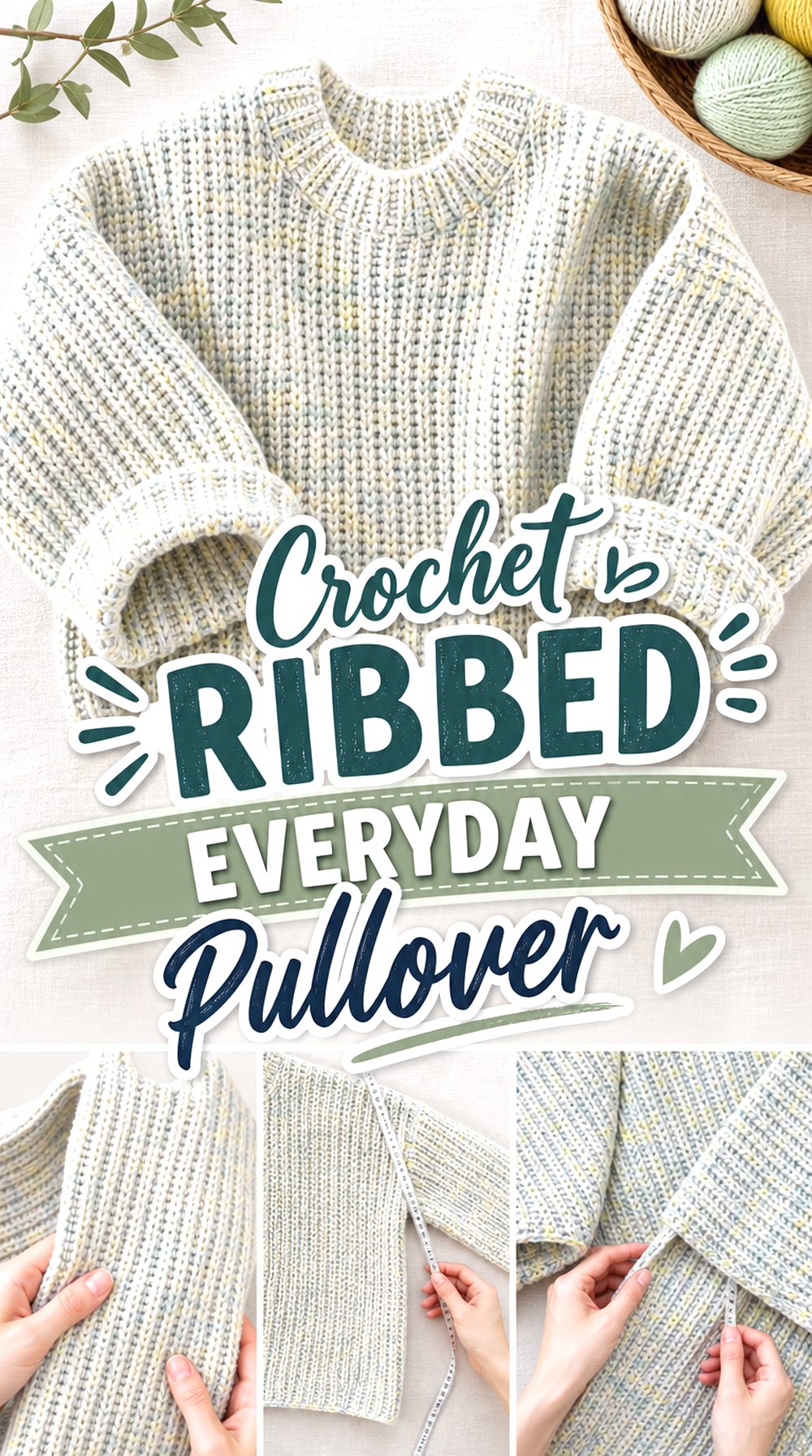
A ribbed surface gives this pullover a clean, steady look that can work well for everyday autumn layering. The finished sweater is simple in shape, with the texture doing most of the visual work instead of color changes or decorative panels. It stands apart from the more dramatic bobble, waffle, and basketweave options because the raised lines are calmer and easier to pair with other clothes.
The thicker-looking texture may suit readers who want a pullover that feels seasonal without looking busy. Confirm the finished measurements before choosing it as a closet staple.
Check the Ribbed Texture
Ribbing changes how a crochet garment appears across the body, especially when the rows create strong vertical or horizontal lines. For this pullover, the texture is the main design feature, so a plain or softly heathered yarn may help the ridges stay visible. Readers who prefer a quieter autumn sweater may like this one more than a bobble or basketweave design.
Confirm the Garment Length
Everyday pullovers depend heavily on length. A slightly shorter body can sit neatly with high-waisted pants, while a longer body may feel better over leggings or a slim skirt. Before starting, compare the creator’s finished view with a pullover you already wear often. This helps avoid choosing a shape that looks right on screen but does not match your usual layering style.
Review the Full Guide First
This kind of simple pullover can look straightforward, but the finishing still matters because ribbed fabric makes uneven joins easier to notice. Watch the guide through once before beginning so you know where the sleeves, body, and neckline are handled. Mark any section that affects fit, because a small change in length or width can shift the whole finished look.
Crochet Bobble Texture Pullover
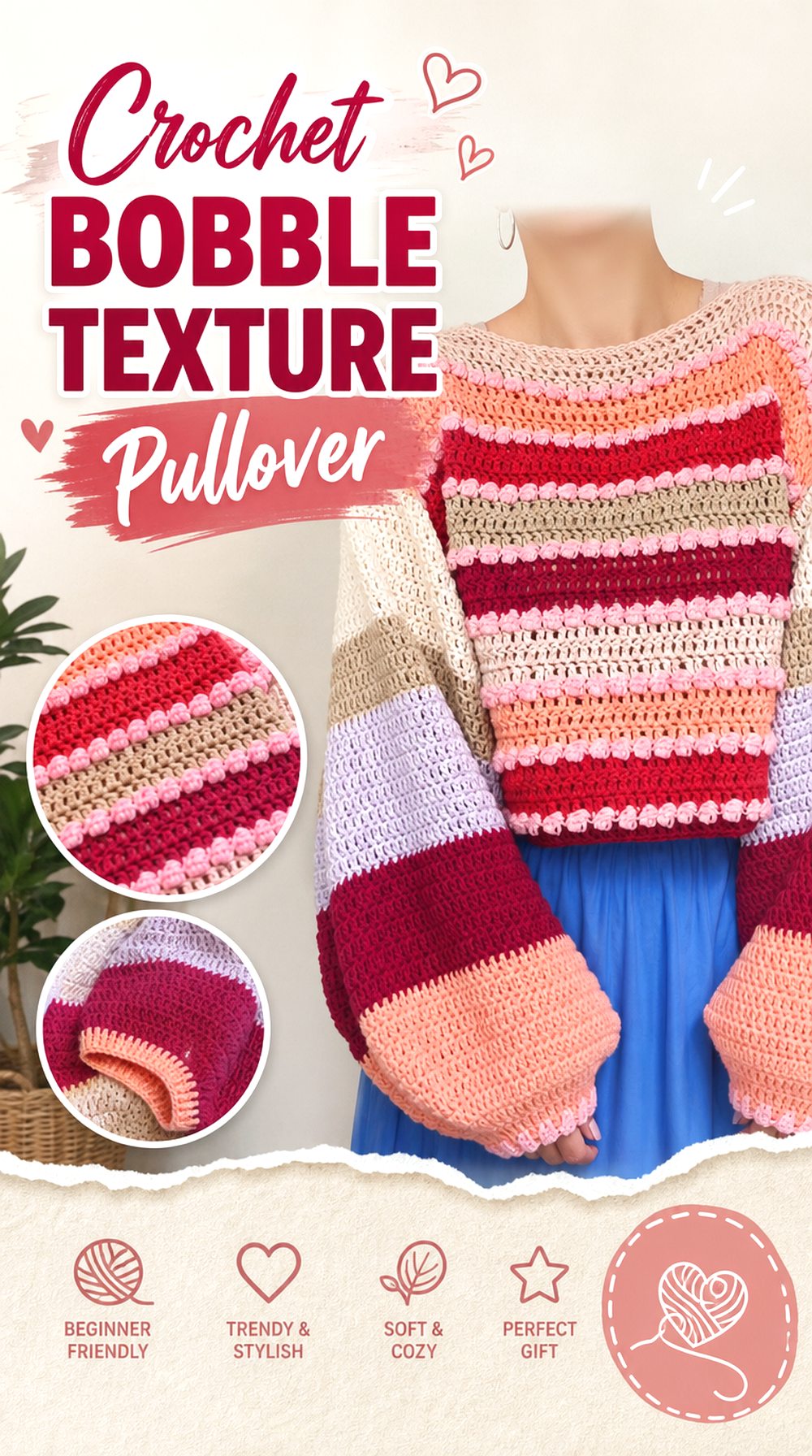
Raised bobbles give this pullover a dotted, tactile surface that feels more decorative than a plain ribbed sweater. The texture creates small points of shadow across the fabric, making it a strong autumn choice when the outfit itself is simple. It is different from the waffle and basketweave options because the detail appears as separate raised accents rather than a grid or woven-looking field.
This pullover may suit someone who wants a cozy handmade look with visible surface interest. Before starting, check how much of the garment uses bobbles and where they sit on the finished sweater.
Think About Surface Placement
Bobble texture draws attention wherever it appears, so placement matters. If the raised detail covers the full body, the pullover will read differently from one with bobbles only on selected panels or sleeves. Look carefully at the finished view and decide whether the texture level matches your wardrobe. For autumn wear, this can help balance a statement sweater with simpler layers underneath.
Consider Layering Needs
Raised bobbles can add visual thickness, especially under jackets or coats. This does not mean the pullover will be uncomfortable, but it is worth thinking about how it will be worn. If the goal is indoor layering, the texture may be the main feature. If it will sit under outerwear, check the sleeve and shoulder shape closely before choosing a size direction.
Slow Down Detailed Sections
Bobble areas can require more attention than plain rows because the raised texture needs to stay consistent. Use the original tutorial for the exact stitch counts and placement, and avoid rushing through repeated textured sections. A simple progress note can help you keep track of where the bobble pattern changes without rewriting or replacing the creator’s instructions.
Original Tutorial and Creator Credit
Creator: MIGAIA
Crochet Waffle Stitch Pullover
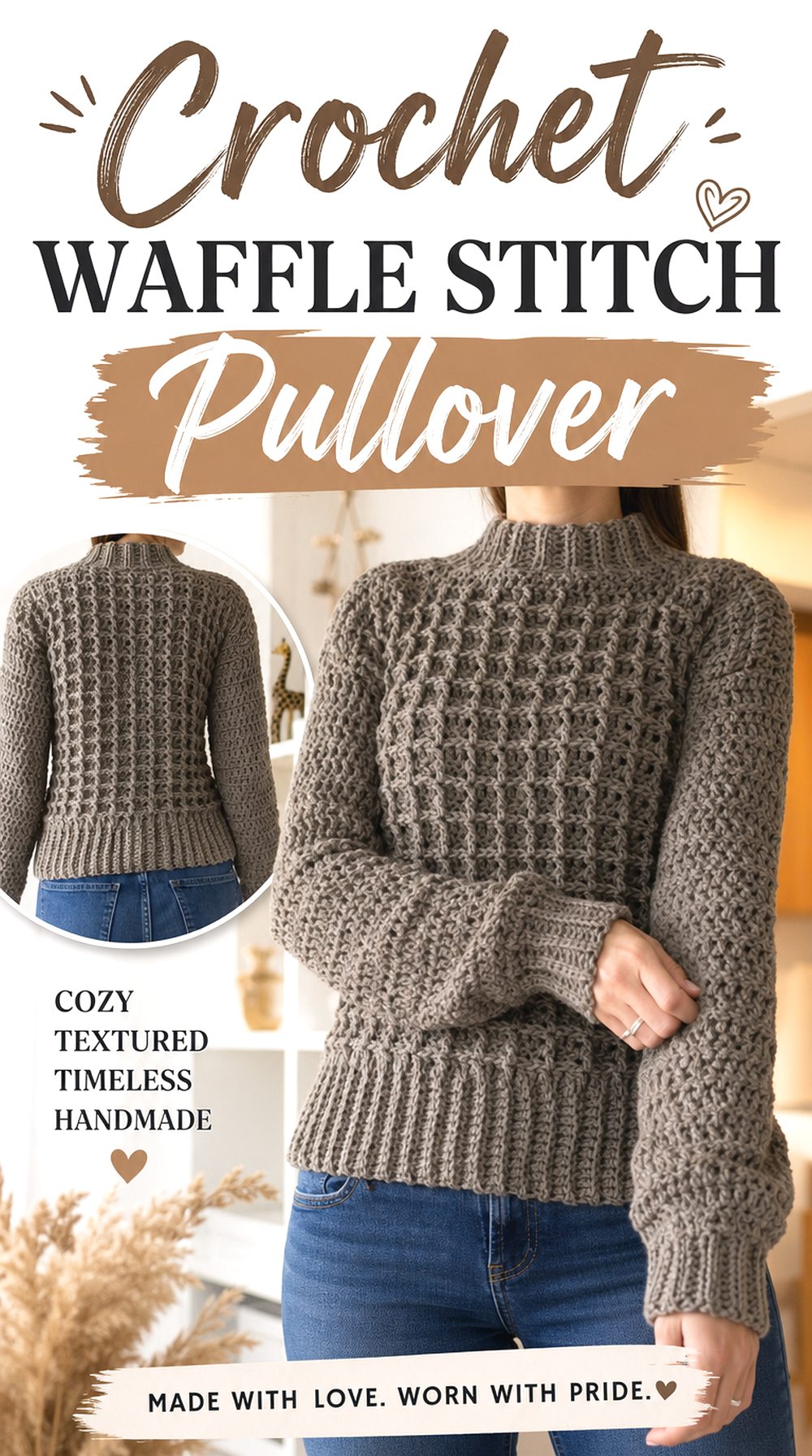
The waffle stitch gives this pullover a square, deeply textured surface that feels structured without needing cables. Its grid-like finish makes it useful for autumn outfits where the sweater is the main layer, especially in solid colors that show shadow clearly. Compared with the bobble pullover, this option has a more even texture from row to row.
The finished look may appeal to readers who like thicker-looking crochet fabric and a strong stitch pattern. Because waffle texture can affect drape, check the finished fit and movement before committing to the project.
Look at the Fabric Depth
Waffle stitch often creates a more pronounced surface than flatter crochet textures. That depth is part of the appeal, but it can also make the garment feel visually heavier. A close look at the finished pullover helps readers decide whether they want a bold textured sweater or something lighter. The stitch pattern is the star here, so color choice should not hide it.
Check the Fit Information
A textured pullover needs enough room to sit comfortably over a base layer, but too much extra width can make a dense stitch pattern look bulky. Review whatever fit notes, size guidance, or finished views the creator provides. Compare them with a sweater you already own, especially at the bust, upper arm, and body length, before choosing your starting size.
Compare the Shape as You Work
With a waffle-style surface, it is useful to check the piece at major shape changes rather than only at the end. Compare the forming fabric with the creator’s finished view and pause if the width, length, or texture looks different from expected. The tutorial should remain the source for exact construction details, but visual checking can prevent surprises.
Original Tutorial and Creator Credit
Creator: it’s marie c.
Crochet Basketweave Collar Pullover
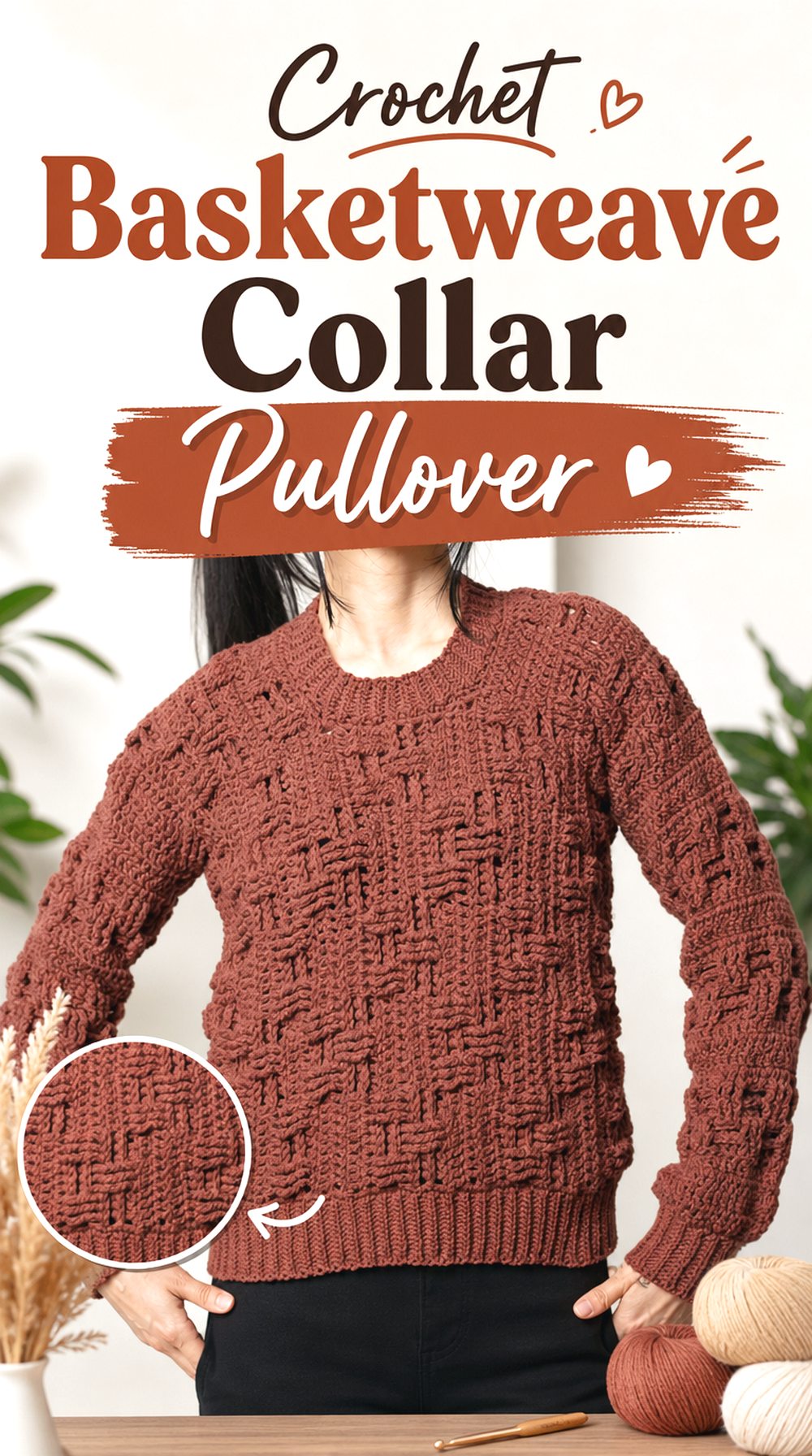
Basketweave texture gives this pullover a woven, flannel-inspired look with strong autumn character. The surface has more block-like movement than the ribbed pullover and feels more structured than the puff V-stitch option. A collar detail also makes the neckline more noticeable, which can help the finished sweater look complete without a scarf.
This project is a good fit for readers who want texture that reads clearly from a distance. Before choosing it, look closely at the collar, cuffs, hem, and side shaping so the finished proportions match how you like to wear pullovers.
Study the Basketweave Surface
Basketweave texture can look especially rich in warm autumn shades because the stitch direction creates small areas of light and shadow. Since the texture is bold, a solid color may make the woven effect easier to see. Readers who prefer a classic seasonal pullover may find this more grounded than bobbles or puff details, while still avoiding a flat fabric look.
Look at the Neckline Finish
The collar helps define this pullover, so it deserves careful attention before beginning. Check how high it appears, how it sits around the neck, and whether it looks open enough for your preferred base layer. A collar can make an autumn sweater feel more polished, but it should match your comfort level and how often you wear scarves or coats.
Prepare for the Finishing Stage
Basketweave texture can make joins and edges more visible if finishing is rushed. Review the guide sections that handle shoulders, sides, cuffs, hem, and collar before working those parts. This does not replace the tutorial, but it helps you understand where the pullover’s final shape is created and where a careful pause may be useful.
Original Tutorial and Creator Credit
Creator: TCDDIY
Crochet Alpine Raglan Pullover
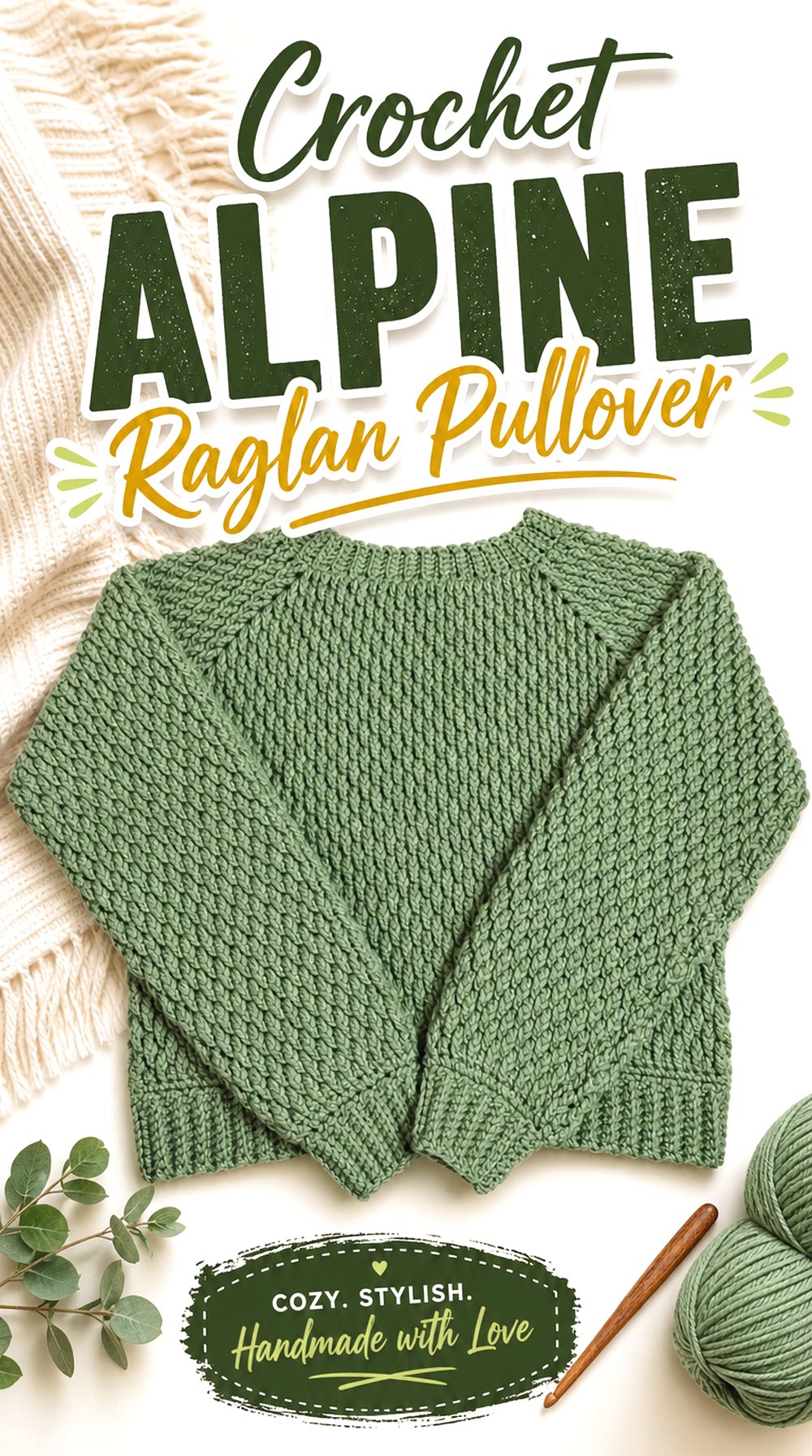
An alpine-style texture gives this raglan pullover a raised, repeating surface with a more seamless-looking shape than panel-based sweaters. The top-down raglan construction makes the neckline, yoke, and sleeve placement central to the finished look. It differs from the basketweave pullover because the texture feels more pebbled and rhythmic rather than blocky.
This option may suit readers who want a textured autumn sweater with a continuous shoulder line. Check the yoke depth and sleeve fit carefully, since those areas affect how comfortably the pullover layers over a shirt or thin turtleneck.
Watch the Raglan Shape
A raglan pullover depends on the yoke growing evenly around the shoulders and upper body. Look at the finished sweater from the neckline through the underarm area, not just the front texture. This helps readers decide whether the shape suits their preferred fit. A good autumn pullover should have enough room for movement without losing the intended raglan line.
Think About Coverage
The neckline and yoke shape affect how much base layer will show. If you plan to wear the pullover over fitted tees, collared shirts, or thermal tops, check how the finished neckline sits on the model or dress form. Alpine texture already adds interest, so the coverage decision can be more about comfort, proportion, and how the pullover fits into your existing clothes.
Pause at Major Shape Changes
Top-down projects can shift quickly from neckline to yoke to body and sleeves. Pause when the guide reaches those major transitions and compare the forming shape with the creator’s finished result. Keep the tutorial as the exact source for counts and placement, and use your pauses only to confirm that the size direction still makes sense.
Original Tutorial and Creator Credit
Creator: Brenda DIY
Crochet Puff V Stitch Pullover
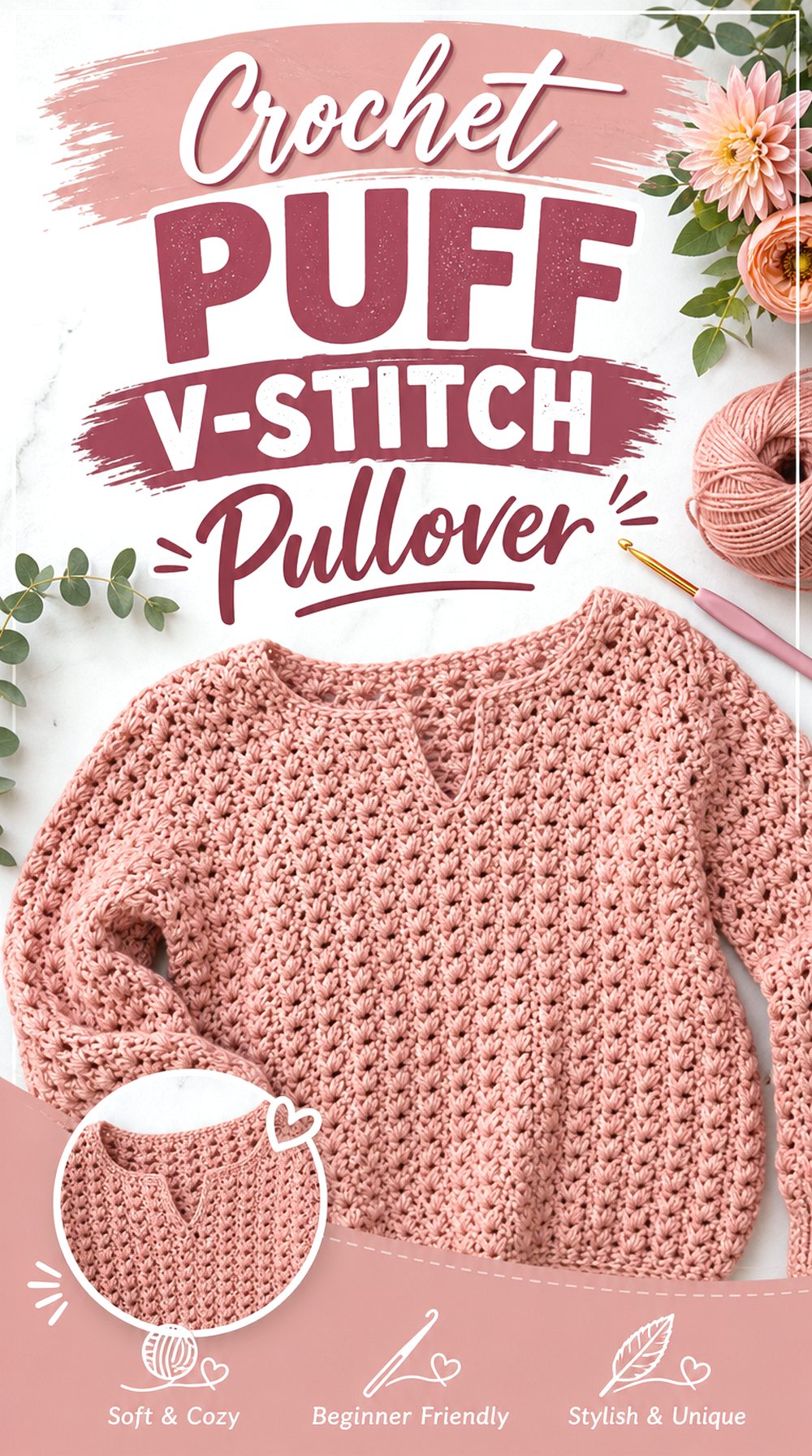
The puff V-stitch gives this pullover a softer, more open-looking texture than waffle or basketweave designs. Its surface has a gentle rhythm, with puff details adding dimension without covering the fabric in heavy raised dots. This makes it a useful autumn option for days when a pullover needs texture but not the strongest visual weight.
Because the stitch pattern is decorative, the finished garment may work well in a color that lets the V shapes and puff areas show. Check the neckline, sleeve shape, and body length before deciding how it will layer.
Keep the Stitch Pattern Visible
A puff V-stitch relies on both spacing and raised texture. Very busy color changes may make the stitch pattern harder to read, while a calmer yarn can help the surface stand out. Look at the finished sweater and decide whether you want the texture to be subtle or more noticeable. That choice will shape how autumnal the finished pullover feels.
Check the Sleeve Shape
Sleeves affect how a textured pullover feels in use. A relaxed sleeve may be comfortable over a base layer, while a closer sleeve can sit more neatly under a jacket. Before starting, look at the finished sleeve width and cuff area. This helps readers choose whether the project matches their usual autumn outfits, especially if they plan to wear it often.
Look for Written Instructions
For a stitch pattern with puff texture and V-shaped spacing, some readers may prefer written notes in addition to the video. Check the creator’s description for any linked pattern, size notes, or supply details before buying materials. If only the video is available, make sure the filming style is clear enough for the way you like to follow garment tutorials.
Original Tutorial and Creator Credit
Creator: Crochet with Gabi
Crochet Oversized Stitch Fade Pullover
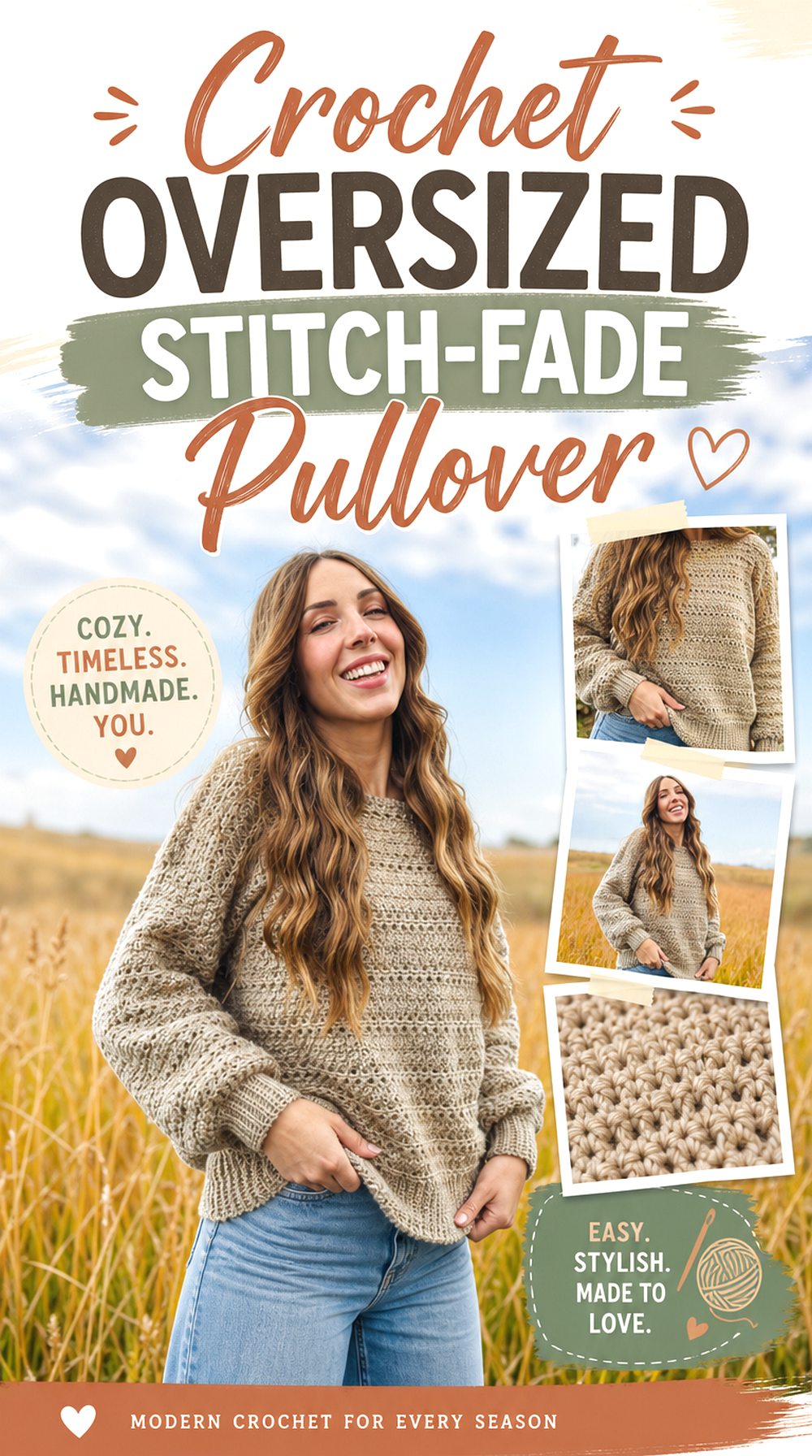
This oversized pullover uses a textured design with a subtle stitch fade, giving it a softer transition across the fabric than a single allover stitch. The relaxed fit and ribbed finishing make it feel especially suited to autumn layering, where the sweater can sit over a thin top without looking too fitted. It is different from the ribbed everyday pullover because the body has more surface change.
This project may suit readers who want a roomier pullover with a calm, wearable texture. Check the finished ease and body length so the oversized shape feels intentional rather than simply too large.
Consider the Oversized Fit
An oversized pullover should still have proportions that work for your body and wardrobe. Look at the shoulder line, sleeve length, and body width in the finished view. A relaxed autumn sweater can be useful over leggings, denim, or slim skirts, but it helps to compare the shape with a pullover you already like before choosing your size direction.
Notice the Stitch Fade
The stitch fade is a quieter design feature than bobbles or basketweave, so it may appeal to readers who want texture without a loud pattern. Check where the texture changes and how visible that change is in the sample. This detail can make the pullover feel more finished, especially when worked in muted autumn tones or soft neutrals.
Confirm the Current Tutorial Version
This pullover has an updated tutorial version, so use the current source linked here rather than relying on older materials found elsewhere. Updated yarn or pattern information can affect supply planning, sizing notes, and the way the finished sweater is presented. Read the description carefully before gathering materials so you are following the version you actually intend to make.
Original Tutorial and Creator Credit
Creator: Evelyn And Peter Crochet
Crochet Cuff to Cuff Wheat Stitch Pullover
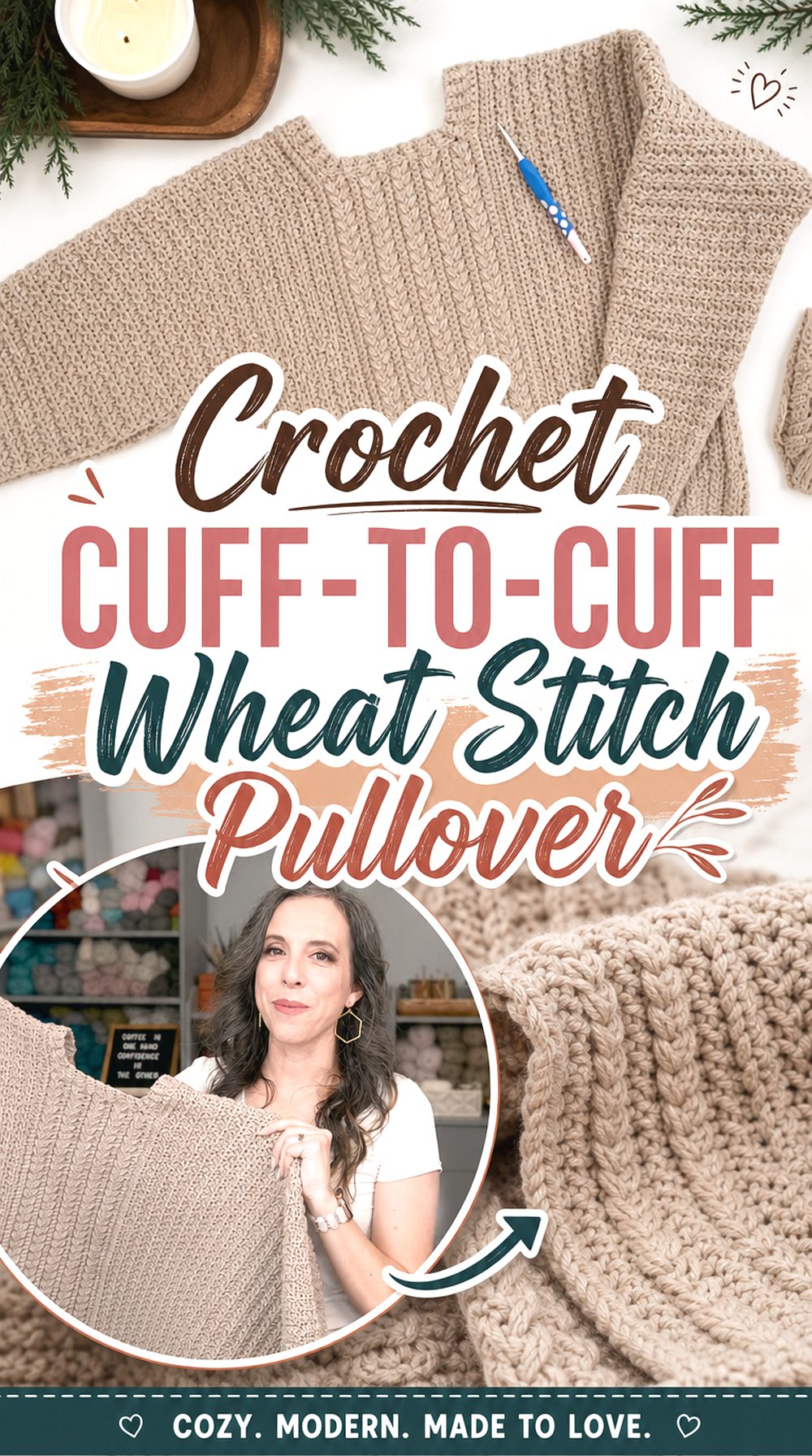
This wheat stitch pullover has delicate puff texture and a cuff-to-cuff construction, giving it a different making path from the raglan and panel-style pullovers. The surface detail is refined rather than chunky, which makes it a strong choice for readers who want an autumn sweater with texture that still looks clean and wearable.
The finished pullover is especially useful to compare with the oversized stitch-fade option. Both feel seasonally soft, but this one puts more emphasis on construction direction, drape, and smaller raised details. Confirm the schematic and size information before choosing it.
Check the Construction Direction
Cuff-to-cuff construction changes how readers need to think about width, sleeve length, and body shape. Instead of judging only front and back panels, look at how the garment is built across the body. This can be appealing if you want a different sweater-making experience, but it makes the creator’s size notes and schematic especially important before beginning.
Review the Size Range
This tutorial includes a broad size range, and the creator’s description points readers toward actual measurements and schematic information. Use those details rather than guessing from the sample alone. For an autumn pullover, compare chest fit, sleeve length, and intended ease with a sweater you already wear comfortably. That step matters more than simply choosing your usual clothing size.
Check the Creator’s Terms
The creator includes copyright and finished-item information in the video description. Readers who plan to sell finished garments, share project photos, or write about their finished piece should read those terms directly instead of assuming general permission. Do not reuse the creator’s photos, video frames, charts, or written pattern content unless the creator clearly grants that right.
Conclusion
These crochet textured pullover ideas cover several autumn needs. Choose the ribbed pullover for a quieter everyday sweater, the bobble or waffle versions for stronger surface detail, and the basketweave collar pullover when you want a classic seasonal look. The alpine raglan gives a different shoulder shape, while the puff V-stitch feels lighter in texture. For relaxed layering, the oversized stitch-fade pullover is worth comparing with the more refined cuff-to-cuff wheat stitch option. Use the original tutorials for exact construction details, sizing, counts, and finishing.
FAQs
How do I choose the right crochet textured pullover for autumn?
Start with how you plan to wear it. For daily outfits, ribbing or wheat stitch may feel easier to style. For a more visible handmade texture, compare bobbles, waffle stitch, basketweave, and alpine stitch. Also check sleeve shape, neckline, body length, and finished ease before choosing a tutorial.
Which texture is best for a subtle autumn pullover?
Ribbing, stitch fade, and smaller puff-based textures usually look quieter than bobbles, waffle stitch, or basketweave. A solid autumn color can still show texture without making the sweater feel too busy. Review the finished sample in the tutorial and decide whether the stitch pattern is visible enough for your taste.
What should I check before buying yarn for a crochet pullover?
Check the creator’s material list, gauge information, size notes, finished measurements, and any yarn substitution guidance. Textured stitches can change drape and yarn usage, so avoid choosing yarn by color alone. Keep the yarn label for care details, especially if the tutorial does not give washing instructions.
Can I adjust the size of a crochet textured pullover?
Only adjust sizing when the creator explains how or provides enough measurements to guide the change. Garments with raglan shaping, collars, textured repeats, or cuff-to-cuff construction can be affected by small changes. Use the original tutorial and any linked written pattern for exact size guidance instead of guessing.
Can I sell a pullover made from a YouTube tutorial?
Check the creator’s own terms before selling any finished item. Some creators allow sales of finished pieces with conditions, while others limit use differently. Credit does not automatically give permission to reuse photos, screenshots, charts, written pattern sections, or video frames, so read the description and linked pattern terms carefully.