
A bathtub looks simple until you consider how much water it holds, how heavy the filled tub can become, and how closely plumbing, waterproofing and electricity may sit together.
That does not mean every bathtub project is off limits. Cosmetic surrounds, exterior refinishing and styling can make excellent DIY projects. Building the actual bathing vessel is a different category.
1. Galvanized Stock Tank Tub

Stock tanks create a strong farmhouse look, but do not assume every livestock container is approved for indoor bathing.
A safer way to use the aesthetic is to choose a tub made or approved for bathing and build the surrounding room around rustic metal finishes.
Best for: Inspiration or professionally assessed installation.
2. Wooden Soaking Tub

Wooden soaking tubs can be beautiful, but water-tight joinery, expansion and long-term moisture management require specialist knowledge.
This is closer to cooperage or professional woodworking than a beginner furniture project.
Best for: Experienced builders or custom tub makers.
3. Reclaimed Clawfoot Tub Refurbish

This is one of the better renovation ideas.
A sound vintage tub can sometimes be refreshed externally with appropriate preparation and coating products.
Inspect the tub for rust, cracks and plumbing problems first.
With older painted surfaces, avoid aggressively sanding unknown coatings without first considering whether hazardous old paint may be present.
4. Concrete Bathtub

A concrete tub is a statement piece but also extremely heavy.
Structural support, reinforcement, cracking, waterproofing, drainage and surface finishing all matter.
Treat the design as an architectural project.
Best for: Professional installation.
5. Outdoor Stone Bathtub

Stone tubs can work beautifully in a professionally designed outdoor area.
Plan drainage, privacy, cleanable surfaces and access.
Large stone elements are extremely heavy, so the final location and foundation need to be considered before installation.
6. Bathtub Made from a Wine Barrel

A barrel shape has wonderful rustic character, but converting an old barrel into a sanitary, reliable bathing vessel is not a simple craft project.
A safer version is to use barrel styling around a purpose-made soaking tub.
7. Acrylic Sheet Custom Tub
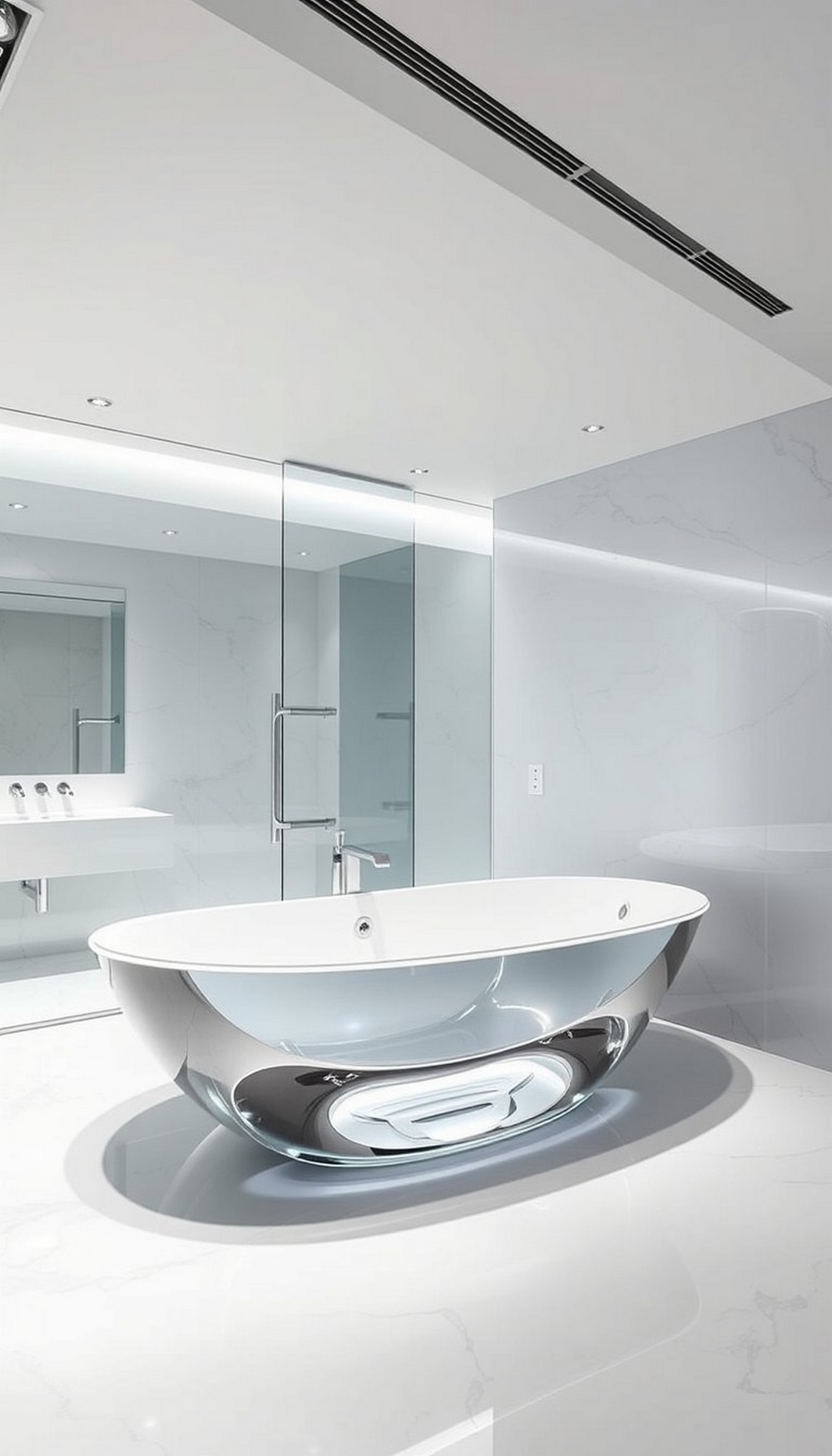
Heating sheets of acrylic and forming a bathtub shell is industrial fabrication, not a typical household DIY project.
Acrylic must be formed, joined and supported correctly.
Use this idea as design inspiration and buy or commission a properly manufactured tub.
8. Bathtub Bench Conversion

Do not convert a utility sink into a bathtub simply because it is deep.
Instead, add a bath seat designed for use inside an existing tub if comfort or accessibility is the goal.
For permanent accessibility modifications, professional planning is worthwhile.
9. Copper Tub Replica

This is one of the most realistic cosmetic projects.
Apply a copper-style finish only where the coating manufacturer says the product is suitable.
It is generally safer to decorate an exterior panel or tub surround rather than applying random craft coatings to the bathing surface.
10. Pallet Wood Framed Tub

A standard built-in bathtub can gain warmth from a wood-look surround.
Use suitable material and keep moisture management in mind.
Reclaimed wood may look attractive, but clean, dry material is preferable to unknown pallets that may be dirty, damaged or chemically treated.
11. Tile Mosaic Bathtub

Instead of tiling directly over an unsuitable tub surface, use mosaic tile on a properly prepared surround.
The waterproofing system beneath the decorative finish is more important than the color of the tile.
This is a good project for someone who already understands tile preparation—or a good place to hire a tile professional.
12. Enamel Sink to Tub Conversion

A large vintage trough or enamel fixture can inspire a wonderful retro bathroom.
For actual bathing, choose a fixture that is appropriate for that purpose and can be connected safely to the home’s plumbing.
Important Bathroom Safety
Electricity and water require extra care. NFPA educational guidance recommends GFCI protection in bathrooms and other areas where electricity is near water, while ESFI recommends qualified electricians for household electrical work.
Plumbing changes, heavy custom tubs and structural floor questions should also be evaluated by appropriate professionals.
Best DIY Choices From This List
If you want a manageable weekend project, concentrate on:
- refinishing an appropriate tub exterior
- creating removable styling
- updating a non-structural surround
- painting bathroom walls
- replacing textiles and accessories
- adding storage
- refreshing hardware where you know how to do it safely
These changes can transform the room without trying to manufacture a bathtub from scratch.
Final Thoughts
A valuable DIY guide should tell readers when not to DIY. Bathtub styling can be wonderfully creative, while the vessel, plumbing, structure and wet-area systems deserve much more care.