Crochet oak leaf garlands can bring a soft fall look to mantels, shelves, windows, stair rails, and table edges without taking over the whole room. The projects below focus on different ways to use oak leaves: a simple leaf-only strand, a chain-attached version, acorn accents, mixed autumn leaves, mini motifs, and bolder lobed shapes.
This collection is useful when you want the same woodland theme but not the same finished look every time. Some ideas lean neat and classic, while others feel more rustic, layered, or decorative. Use the original tutorials for the exact construction details, then choose the garland style that fits your space.
Quick List
- Crochet Classic Oak Leaf Mantel Garland
- Crochet Chain-Attached Oak Leaf Garland
- Crochet Acorn and Oak Leaf Garland
- Crochet Wreath-Ready Oak Leaf Garland
- Crochet Mixed Oak and Maple Leaf Garland
- Crochet Raised-Lobe Oak Leaf Garland
- Crochet Mini Oak Leaf Garland
- Crochet Dense Oak Leaf Wall Banner Garland
Why These Crochet Oak Leaf Garlands Are Worth Making
Oak leaf garlands work well for autumn decorating because the shape is seasonal without being limited to one holiday. A rust, brown, mustard, olive, or cream palette can suit Halloween, Thanksgiving, fall markets, or a quiet cottage-style room. The same basic idea can look different depending on leaf size, spacing, color order, and whether acorns or other leaf shapes are added.
They are also easy to place in narrow spaces. A garland can follow a mantel edge, frame a mirror, hang from a shelf, or run down the center of a table. Before starting, it helps to decide whether you want a flat decorative strand, a fuller layered look, or a smaller accent that stores neatly after the season.
Crochet Classic Oak Leaf Mantel Garland
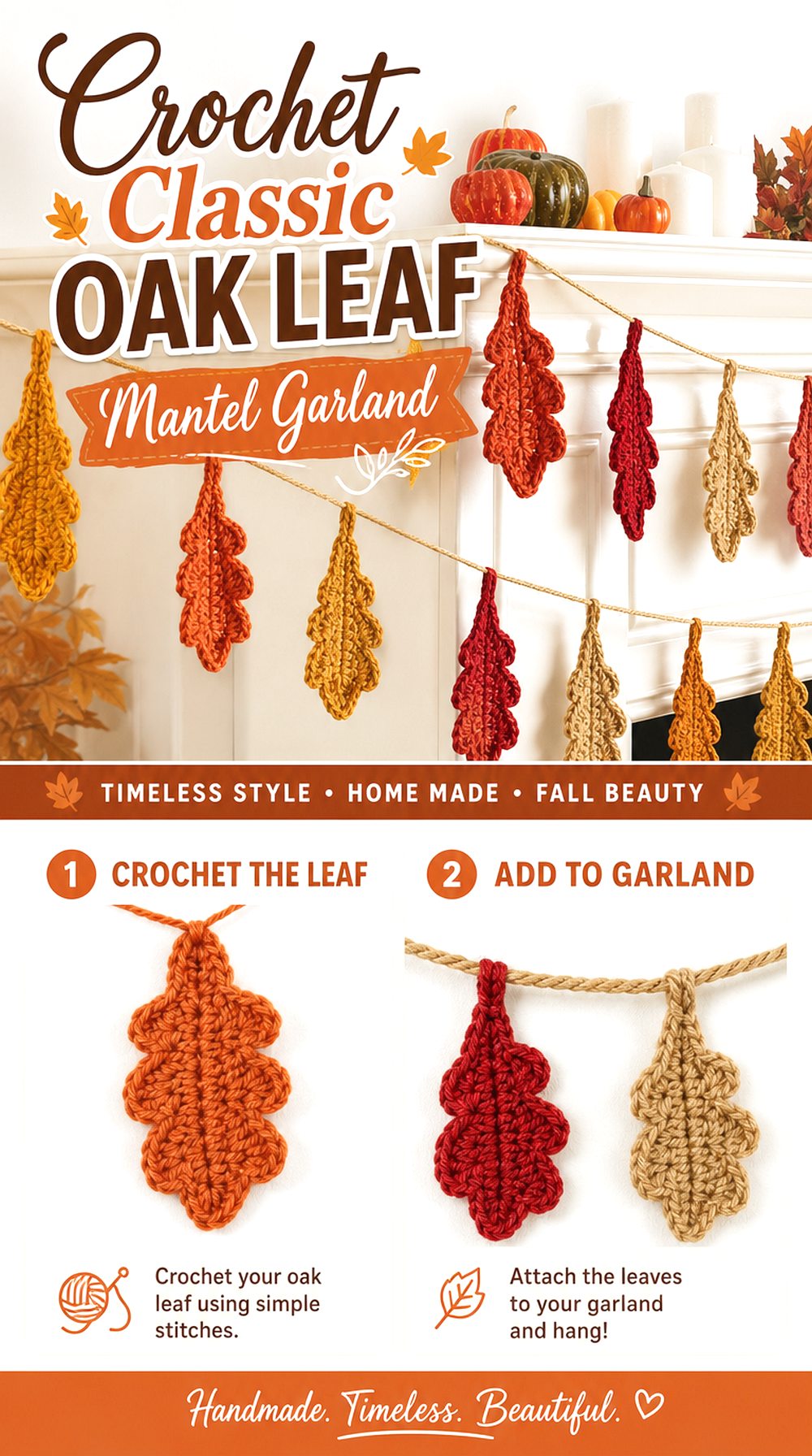
A classic oak leaf garland keeps the focus on repeated lobed leaves in warm autumn colors. This style suits a mantel, shelf front, or wide window because the leaf shapes read clearly from a distance. It is different from the mixed and acorn versions because the rhythm comes mainly from the oak leaves themselves, not extra motifs. The finished look feels tidy, seasonal, and easy to coordinate with pumpkins, candles, or neutral fall decor.
Choose the Display Location
A mantel or long shelf gives this garland enough space for the oak leaf shapes to be seen without crowding. Before choosing colors, look at the surface where it will hang. Dark wood may need lighter leaves for contrast, while a white shelf can handle deeper rust, brown, or olive shades. A clean backdrop helps the lobed edges stand out.
Note the Important Measurements
The finished length matters more than it seems with a mantel garland. Check the creator’s pattern information and compare it with the exact place you want to decorate. A garland that is too short may look unfinished, while an overly long one can bunch at the corners. Measure the shelf, window, or rail first, then plan how much drape you want.
Think About Storage After Use
Flat oak leaves usually store better than bulky seasonal decorations, but the strand still needs gentle handling. Lay the garland flat or loosely coil it so the leaves do not crease sharply. If the yarn label gives care information, keep it with the project. When care details are not stated in the tutorial, avoid guessing and follow the yarn’s own instructions.
Crochet Chain Attached Oak Leaf Garland
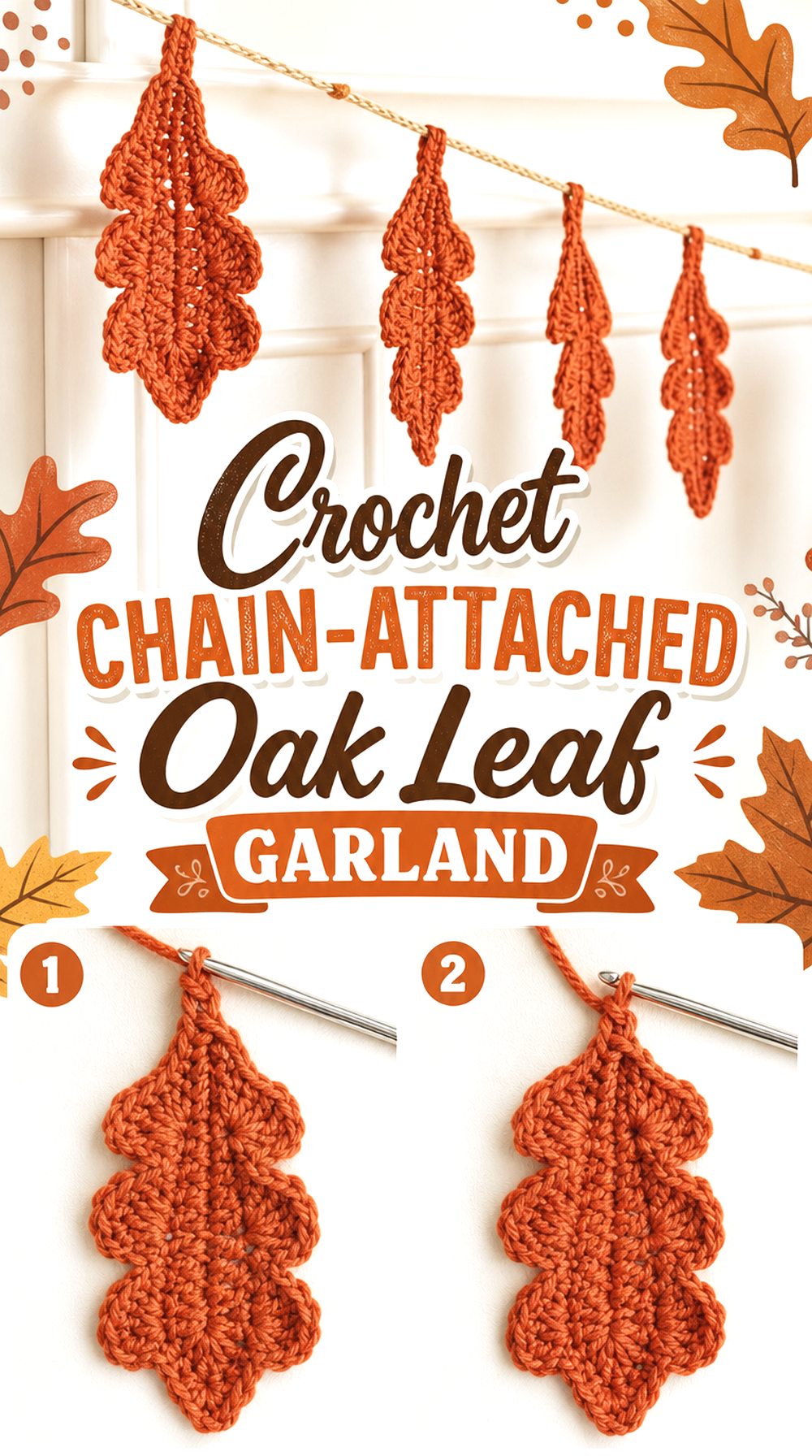
This oak leaf garland has a useful connected feel because the leaves are attached along a crocheted chain rather than treated like separate hanging pieces. That makes it a good option for a clean swag across a doorway, shelf, or party table edge. The spacing becomes part of the design, so the finished strand can look more even and planned. Compared with a loose pile of leaves later tied together, this idea gives the garland a more continuous structure.
Plan the Hanging Position
A chain-attached garland depends on spacing, so decide where it will hang before making the full length. A straight shelf front may need a different amount of slack than a stair rail or curved wreath. Mark the center point of the display area and think about where the first and last leaves should fall, especially if both ends will be visible.
Check How It Attaches
The source describes leaves being attached along the chain as part of the garland concept. That is useful if you want fewer separate finishing steps. Still, confirm how the attachment is handled before committing to a long strand. Readers who prefer movable leaves may want to watch the joining sections carefully and decide whether a fixed layout suits their decorating plan.
Compare the Shape as You Work
With a repeated oak leaf chain, small differences can become noticeable across the full garland. Pause after the first few leaves and compare their size, angle, and spacing. This does not replace the creator’s exact counts, but it helps you catch uneven tension early. A short sample can also show whether the leaves hang neatly from your chosen yarn.
Original Tutorial and Creator Credit
Creator: The Crochet Crowd
Crochet Acorn and Oak Leaf Garland
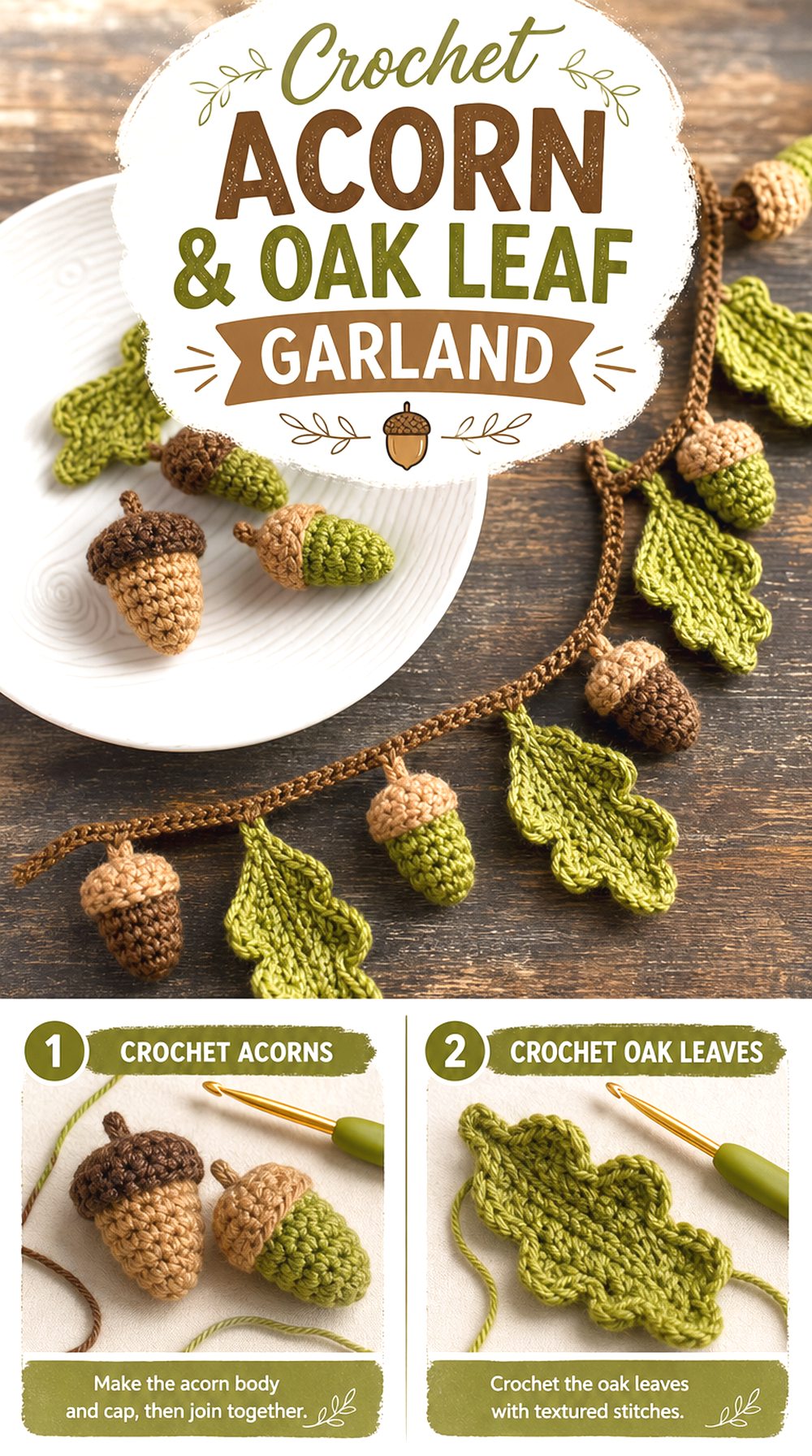
Acorns change the mood of an oak leaf garland immediately. Instead of a simple row of leaves, this version has a woodland look with small nut shapes breaking up the flat leaf motifs. It may suit a rustic mantel, fall nursery shelf, market booth display, or Thanksgiving sideboard. The acorns give the strand more depth than a leaf-only garland, so this idea works especially well where the decoration can be viewed up close.
Balance Leaves and Acorns
The acorns should support the oak leaves rather than hide them. When planning the layout, think about whether you want one acorn between every few leaves or small clusters at wider intervals. A fuller arrangement can look cozy, but too many bulky pieces may make the garland harder to drape. Lay the motifs out first before attaching them permanently.
Confirm Any Extra Components
This style includes more than flat leaves, so the supply list matters. Check the creator’s notes for the hook, yarn, and any finishing materials used for the acorns and garland. Because acorn shapes may need extra finishing compared with leaves, review the full guide before buying supplies. Missing one small component can interrupt the assembly stage.
Check the Final Assembly View
The most useful part to review is how the leaves and acorns are arranged on the finished strand. Watch the final display or assembly view closely so the spacing makes sense before you repeat the pieces. This is especially helpful if you plan to adjust the length, because the garland should still feel balanced at both ends.
Original Tutorial and Creator Credit
Creator: Jess Nicole Handmade
Crochet Wreath Ready Oak Leaf Garland
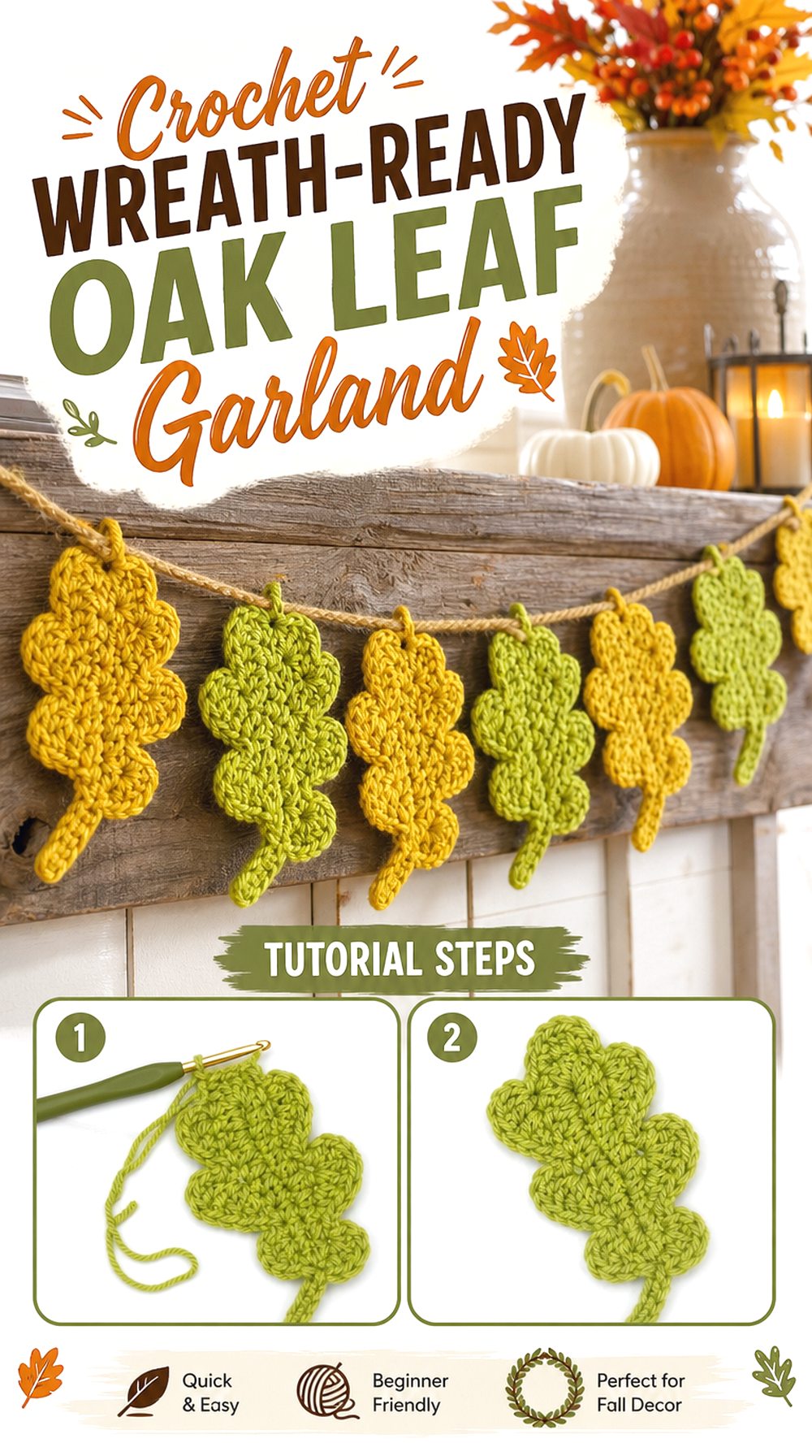
This oak leaf idea is useful when you want one motif that can move between a garland and a wreath. The finished leaves can be grouped into a hanging strand, arranged around a wreath base, or used as small fall accents. That flexibility makes it different from a fixed chain design. The oak leaf shape stays central, but the final display can be loose, curved, or layered depending on where you want the autumn color.
Decide Between Garland and Wreath Use
A garland usually needs repeated spacing, while a wreath can handle tighter clusters and layered angles. Decide which display matters most before making a large batch of leaves. For a shelf or mantel, consistent placement may look cleaner. For a wreath, varied angles can help the oak leaves follow the curve without looking stiff.
Review the Full Guide First
The tutorial is focused on making the oak leaf motif, and the description notes that the leaves can be used for an autumn garland or wreath. Watch the full guide before planning the finished decor piece. That helps you understand the leaf shape, size direction, and finishing needs before deciding how many motifs your display may require.
Keep a Simple Progress Note
When making many leaves for one garland, a small note can prevent mismatched batches. Record the yarn color order, hook used, and any creator notes you followed. This is especially helpful if the garland is made over several days. A consistent record helps the final strand look intentional even when the colors vary.
Original Tutorial and Creator Credit
Creator: Hopeful Turns
Crochet Mixed Oak and Maple Leaf Garland
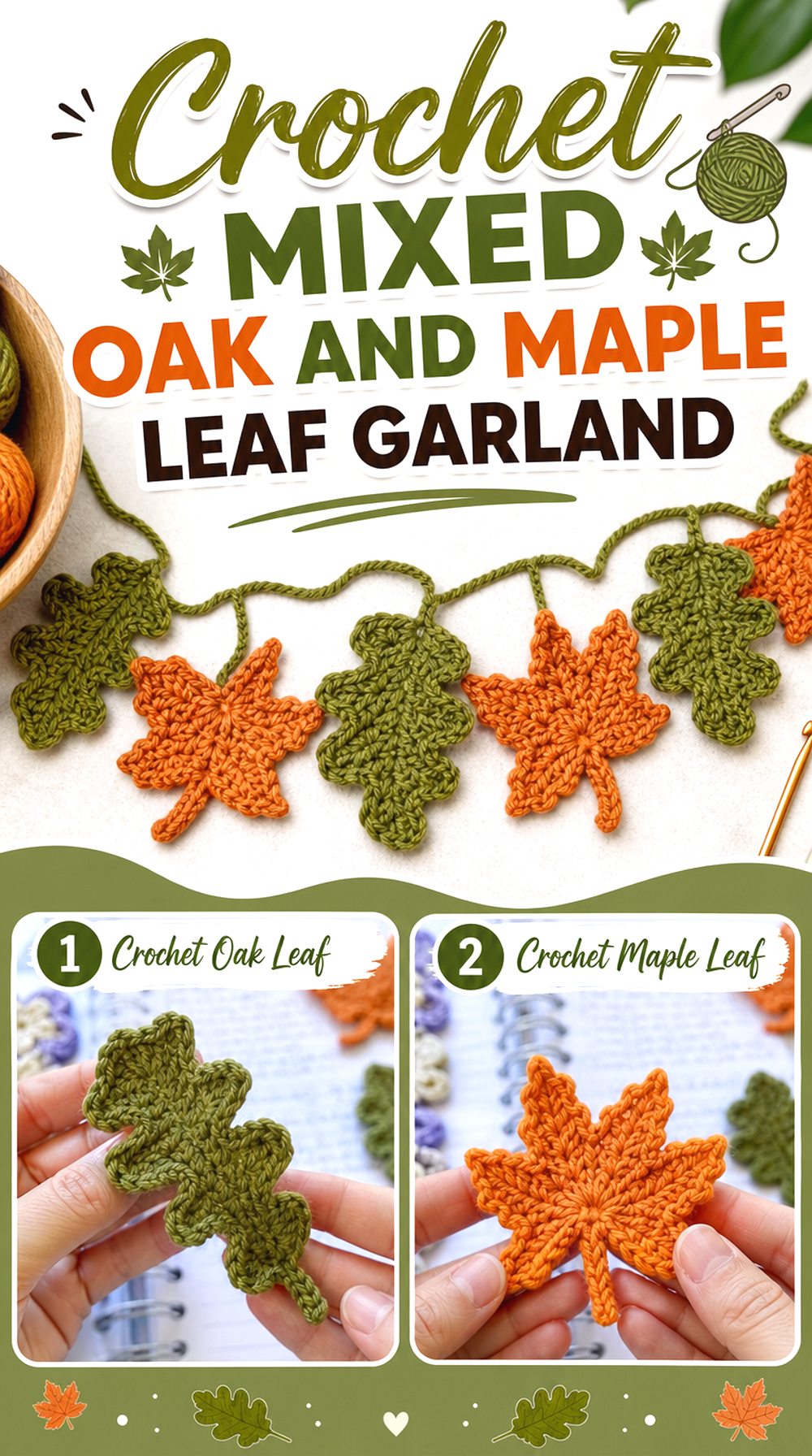
A mixed oak and maple leaf garland gives more movement than a single-shape strand. The oak leaves bring rounded lobes, while maple leaves can add sharper points and a fuller autumn feel. This idea is useful for a wide mantel, window frame, or seasonal photo backdrop where the different leaf outlines can be seen clearly. It is still an oak leaf garland, but the added maple shapes make the arrangement look more like gathered fall foliage.
Keep the Oak Leaves Visible
Because this garland includes more than one leaf shape, the oak leaves should not disappear into the mix. Use placement and color contrast so their rounded lobes remain easy to spot. One practical approach is to separate similar colors and avoid putting two busy shapes directly on top of each other. The oak leaf motif should still guide the look.
Confirm What Is Included
The oak leaf tutorial points readers toward using several leaves together and also mentions maple leaves for an autumn garland. Check the linked information from the creator if you want both shapes in the same strand. The oak leaf source alone should not be treated as a complete mixed-leaf pattern unless you also follow the correct companion tutorial.
Recheck Before Moving Ahead
Mixed garlands benefit from a pause before final assembly. Lay out the oak leaves and any additional leaf shapes in the order you want them to hang. Step back and check whether the colors feel evenly spread. Once the arrangement looks balanced, use the original tutorial details for the exact motif construction and your chosen joining method.
Original Tutorial and Creator Credit
Creator: HappyBerry Crochet
Crochet Raised Lobe Oak Leaf Garland
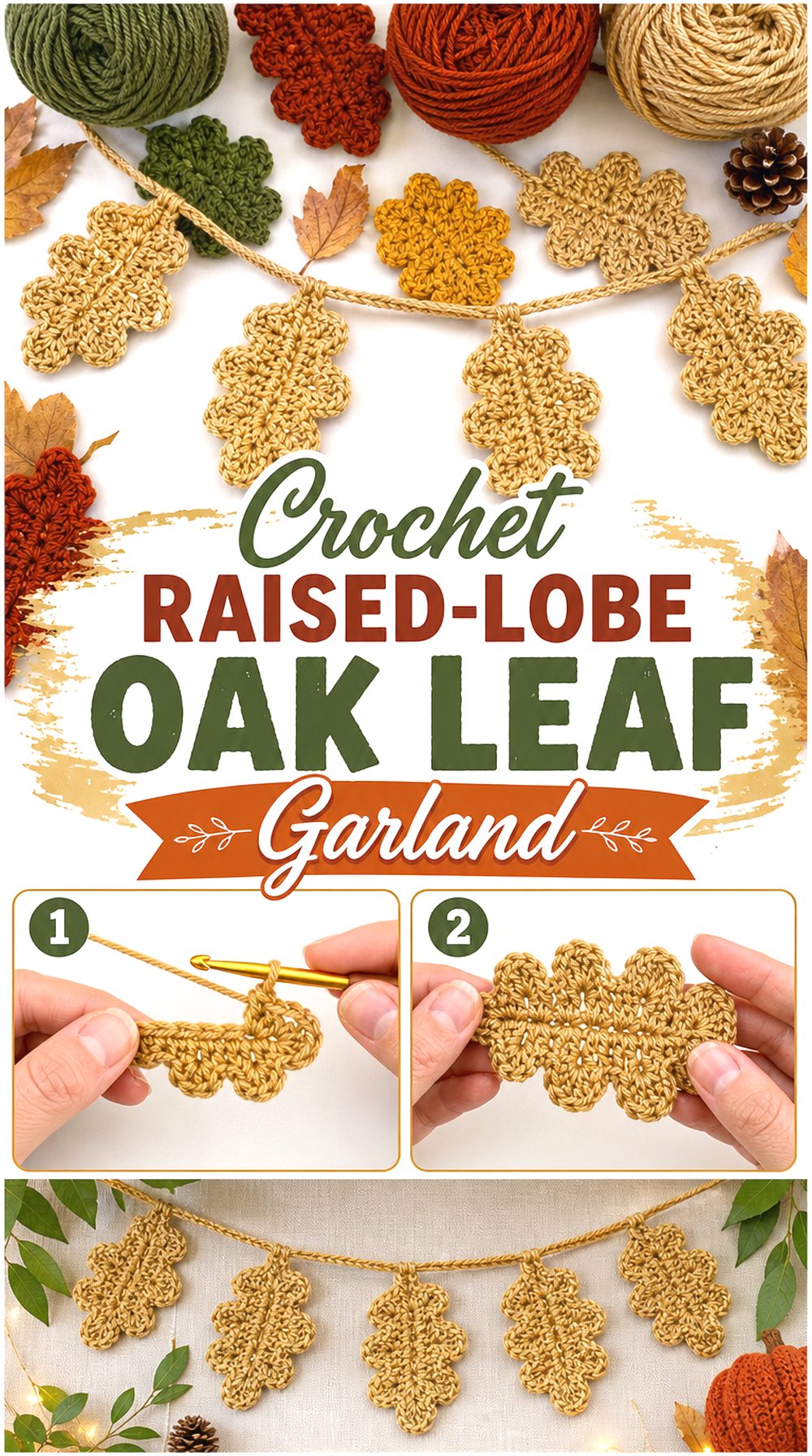
This oak leaf tutorial focuses on a distinct leaf shape that can bring stronger texture to a garland. The lobed outline works well when you want the leaves to feel more sculpted than a plain oval leaf strand. It could be arranged as a short shelf accent, a blanket-display trim, or a small hanging fall banner. Compared with the acorn version, this one keeps the design flatter while still giving each leaf a more noticeable outline.
Think About Shape Retention
A raised-looking oak leaf shape needs enough definition to keep the lobes readable. Before making a full garland, check how the first leaf behaves in your chosen yarn. If it curls or twists more than expected, review the creator’s finishing and material notes. Avoid assuming that every yarn will hold the same shape, especially for a decorative strand.
Plan Before Buying Supplies
The tutorial is connected to an autumn crochet project, so readers should confirm the specific supplies listed by the creator before planning a separate garland. If the garland will hang on a wall or shelf, choose colors after considering the background. A small test leaf can show whether the texture is visible enough from the distance where it will be displayed.
Slow Down Detailed Sections
Oak leaves often depend on small shaping changes around the edges. Slow down any section where the lobes are formed, and compare the leaf outline before continuing to the next motif. This keeps the finished garland from looking uneven. For a repeated strand, matching the general silhouette matters more than rushing through many leaves.
Original Tutorial and Creator Credit
Creator: Ophelia Talks Crochet
Crochet Mini Oak Leaf Garland
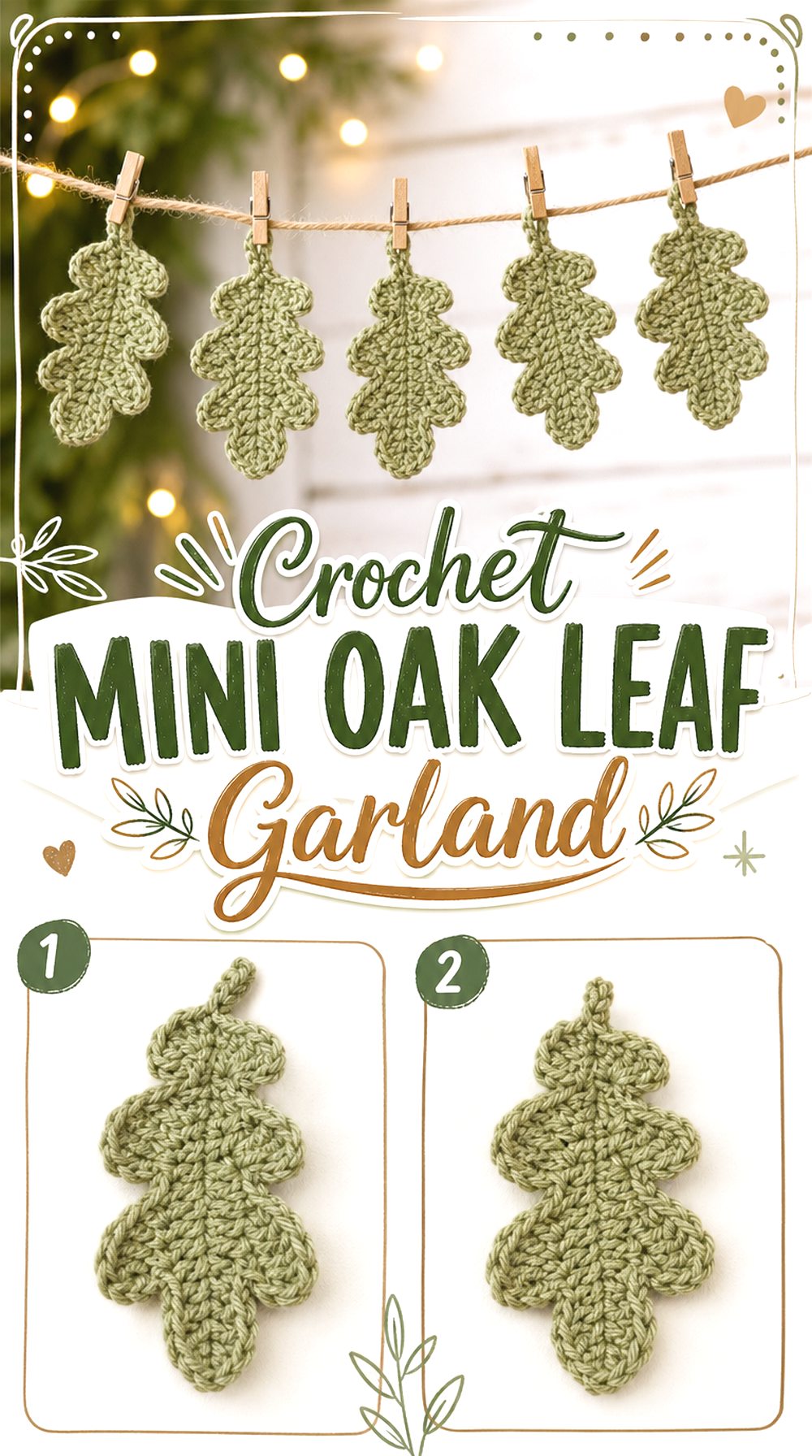
Mini oak leaves create a softer, more delicate garland than large mantel pieces. This idea may suit a small wall hook, narrow shelf, tiered tray, table place setting, or a light seasonal branch display. The smaller scale keeps the oak leaf shape decorative without making the strand feel heavy. It is different from the classic mantel garland because the impact comes from tiny repeated details rather than broad autumn color blocks.
Plan Around Available Space
A mini garland works best where the viewer can see the details up close. Use it for a small shelf, mirror corner, desk area, or narrow wall space rather than a large room-wide display. Measure the display area and decide whether the leaves should sit close together or have more open chain between them.
Check the Creator’s Size Notes
The tutorial title and description focus on crocheting an oak leaf, with the leaves suggested for decorations, garlands, or crafts. Before making a mini strand, confirm whether the creator gives size or material notes that affect the finished scale. If exact measurements are not clear, make one leaf first and use it as your planning sample.
Mark Your Stopping Point
Small motifs can be easy to pause and restart, but that also makes it easier to lose track when making multiples. Keep a simple marker, note, or count for how many leaves are finished and how many are still needed. This helps the garland stay consistent, especially if you are making several colors for one display.
Original Tutorial and Creator Credit
Creator: Jeni Kim Crochet
Crochet Dense Oak Leaf Wall Banner Garland
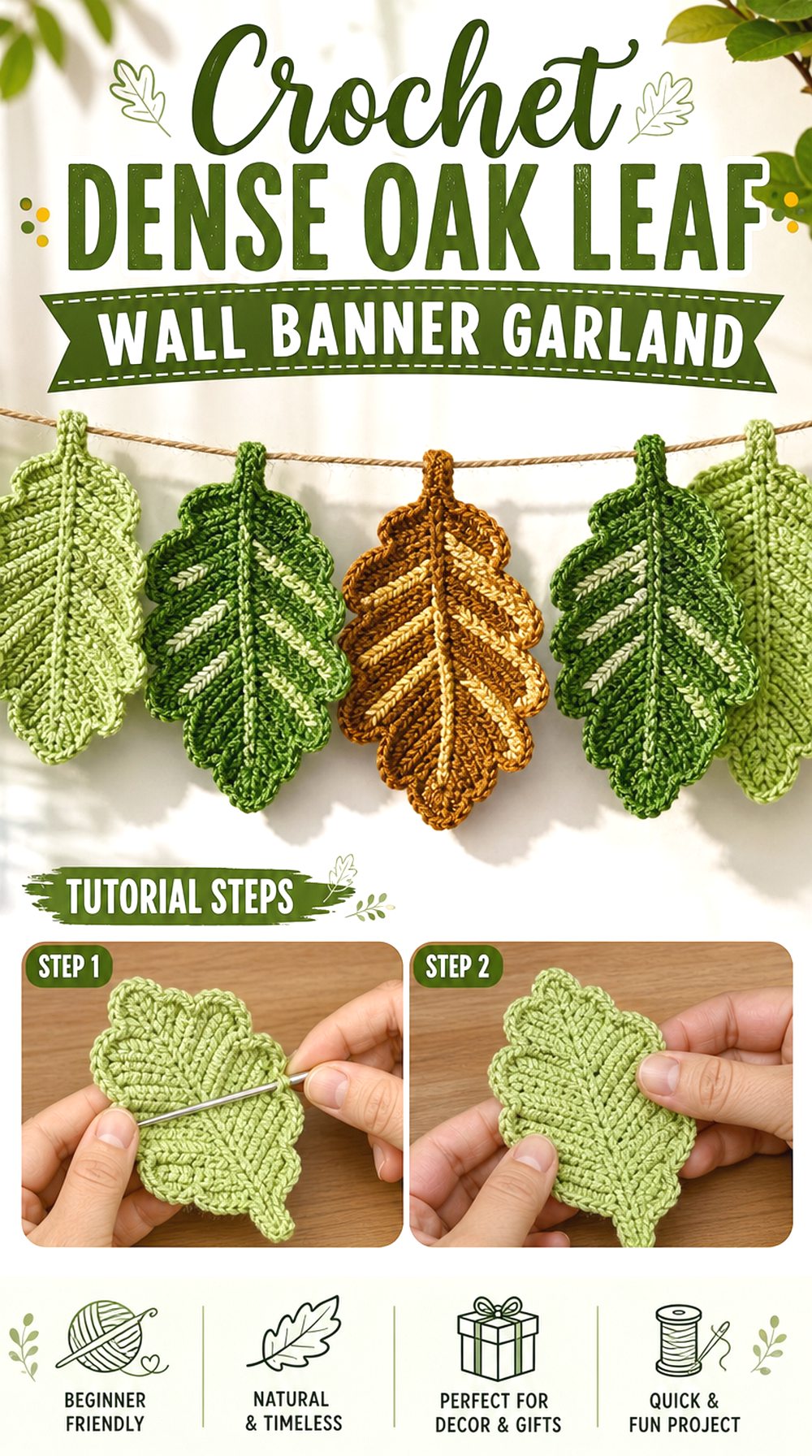
A denser oak leaf banner can work as a stronger wall decoration when you want the leaves to fill more visual space. This idea suits a short horizontal branch, dowel, or strand where several oak leaves sit closer together than they would on a long mantel garland. The result feels more like a fall wall accent than a loose vine. It is a good contrast to the mini version because it relies on fullness and repeated leaf texture.
Choose the Display Location
A wall banner needs a clear background so the oak leaf edges do not get lost. Light walls, plain doors, or simple shelf backs are easier to decorate than patterned wallpaper or crowded gallery walls. Decide whether the strand should hang straight, curve slightly, or drop in the center. That choice affects how closely the leaves should be placed.
Watch for Separate Pieces
This source teaches an oak leaf step by step, so the full banner plan depends on making enough individual motifs and attaching them in your preferred layout. Do not assume the tutorial includes every display decision. Check whether you need a separate cord, branch, dowel, or chain before you start assembling the finished wall piece.
Check the Shape as It Hangs
Dense garlands can look different once gravity pulls on the leaves. After attaching a few motifs, hold the strand up and check whether the leaves overlap too much or twist away from the front. Adjust the layout before the full banner is finished. A small spacing change can make the oak shapes easier to read.
Conclusion
These crochet oak leaf garland ideas give different ways to decorate with the same woodland shape. Choose the classic mantel garland for a neat seasonal strand, the chain-attached version for cleaner spacing, or the acorn design for a fuller harvest look. A mixed oak and maple garland adds more leaf variety, while mini and dense banner styles suit smaller walls and shelves. For exact construction details, follow the original tutorials and check each creator’s notes before changing size, yarn, spacing, or attachment method.
FAQs
How do I choose the right crochet oak leaf garland length?
Measure the place where the garland will hang, then decide whether you want it straight, lightly draped, or gathered at the ends. A mantel or window may need extra length for a soft swag. For small shelves, a shorter strand with fewer leaves can look cleaner and be easier to store.
Can I mix oak leaves with acorns or other leaves?
Yes, as long as the tutorial or linked creator resources support the extra motifs you want to use. Oak leaves pair naturally with acorns, maple leaves, and smaller fall leaves. Keep the oak leaves visible by spacing busier shapes carefully and using color contrast so the garland still matches the main theme.
What colors work well for crochet oak leaf garlands?
Autumn colors such as rust, brown, mustard, olive, muted gold, cream, and deep orange suit oak leaf garlands well. Choose colors based on where the garland will hang. A dark mantel may need lighter leaves, while a pale wall can handle deeper shades without hiding the leaf shape.
Should I block crochet oak leaves before making a garland?
Blocking can help flat leaves look neater, but only use care methods that match the yarn and the creator’s guidance. If care instructions are not given, check the yarn label first. Make one sample leaf, see how it behaves, and avoid heat or moisture methods that could damage the fiber.
Can I sell finished oak leaf garlands from YouTube tutorials?
Do not assume sales are allowed just because the tutorial is public. Check the creator’s description, website, pattern terms, and any license notes before selling finished garlands. Some creators allow small finished-item sales, while others restrict use of the design, written pattern, photos, or branding.